Erica Gies
  • About
  • Stories
    • bioGraphic
    • Ensia
    • The Guardian
    • Hakai magazine
    • Inside Climate News
    • Nature
    • The New York Times
    • Scientific American
    • TakePart
    • The Atlantic
    • Yale Environment 360
    • Other Publications
  • Book
  • Photos
  • Speaking

Photos
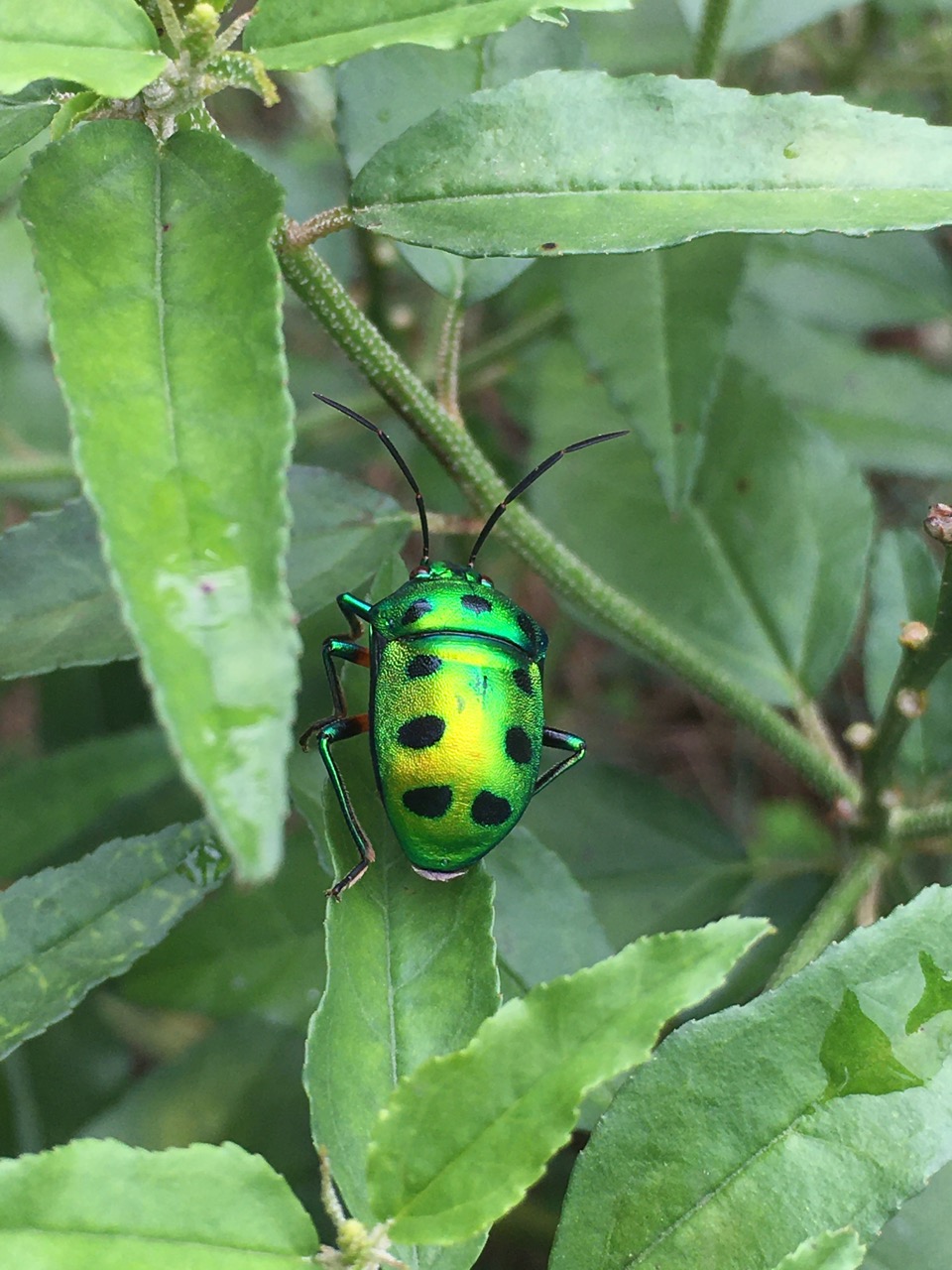
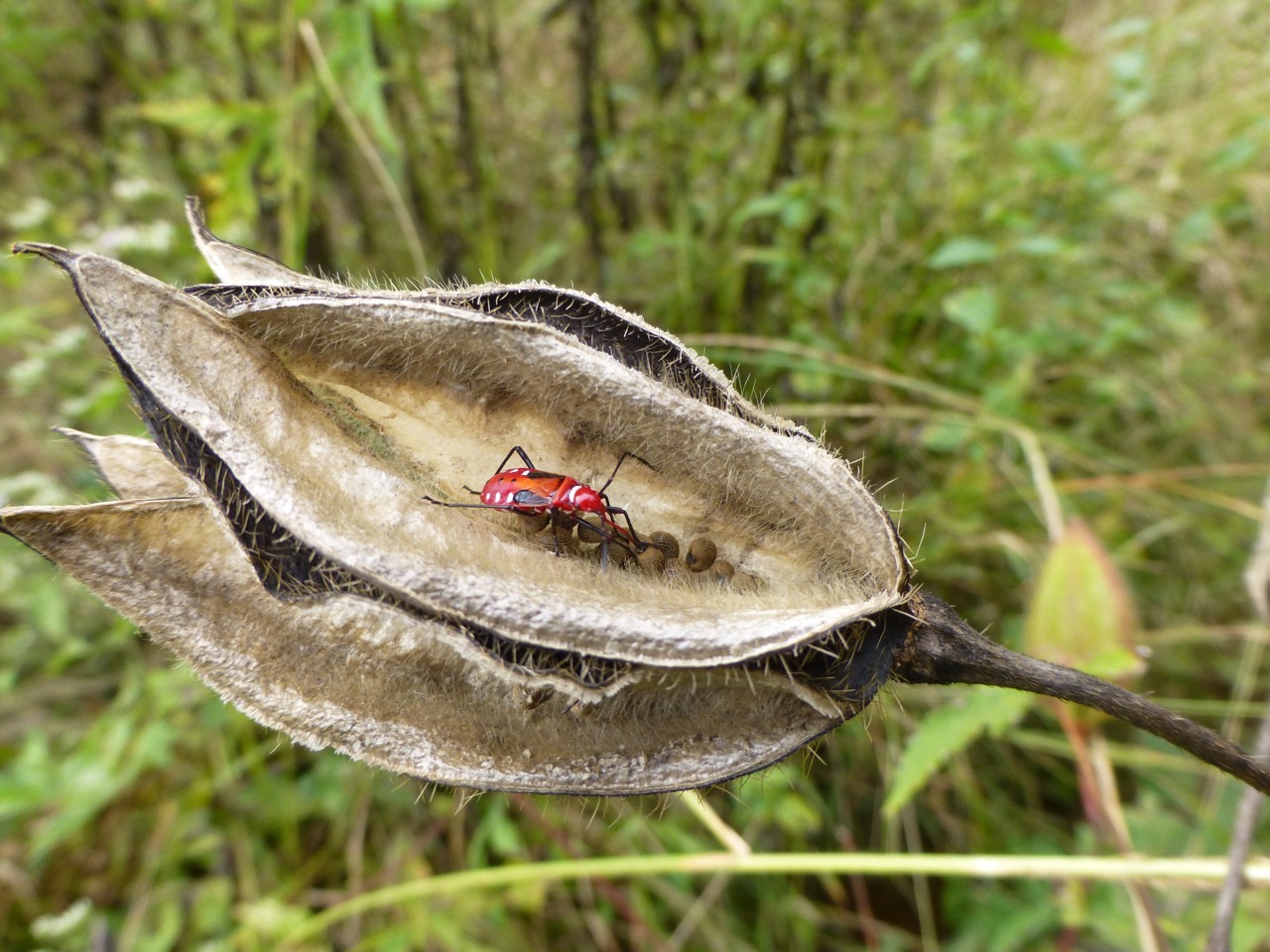
Jewel beetle, next to restored Puducherry Keni pond lake, outside Chennai, Tamil Nadu, India. Restoration work by local NGO Care Earth Trust. Photo by Erica Gies.
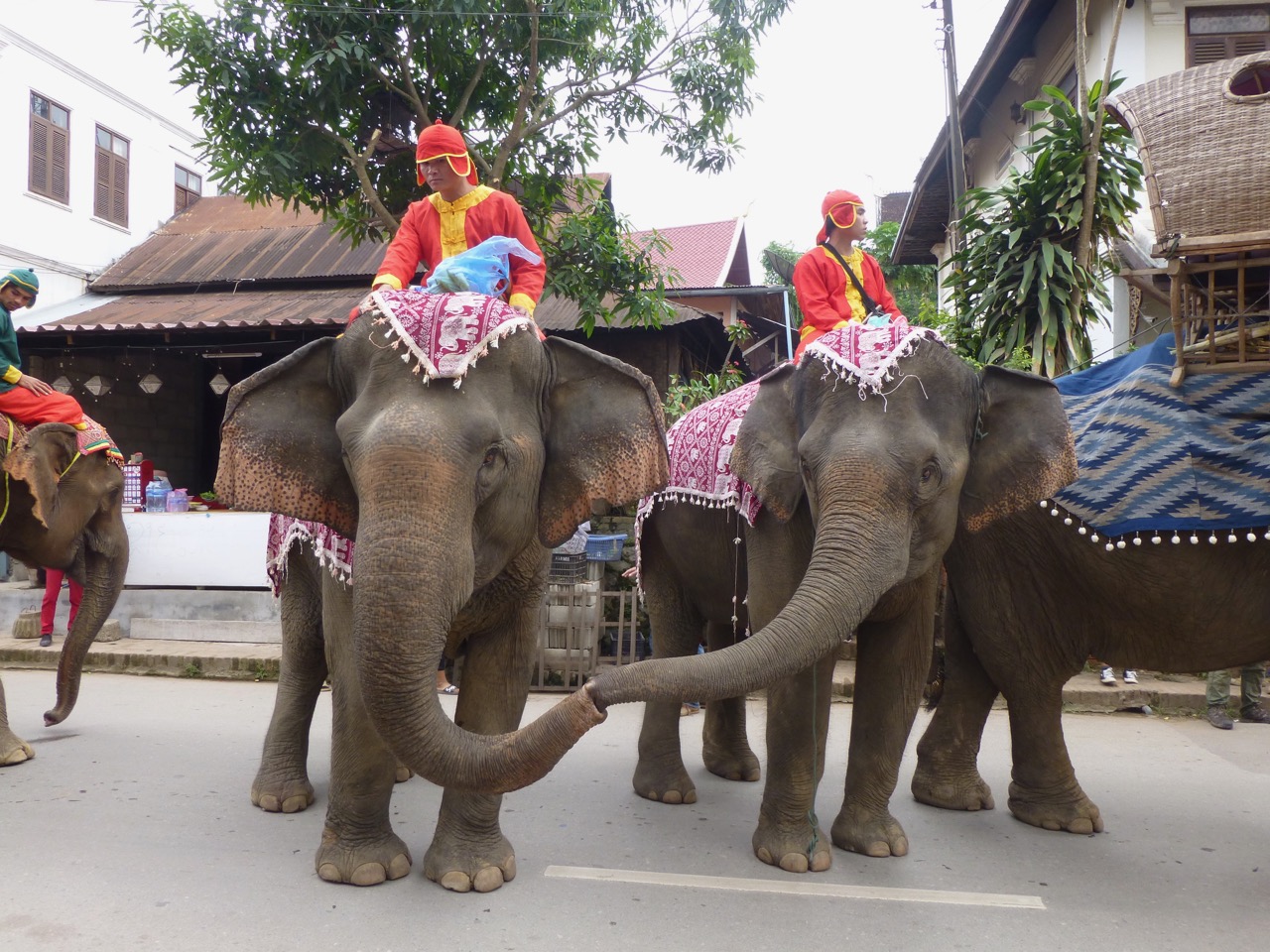
In Luang Prabang, Laos, two elephants connect during an elephant caravan that drew locals' attention to the illegal logging that threatens the country’s 900 remaining pachyderms. Photo by Erica Gies.
Hashim drove and poled our boat through the Mesopotamian marshes in Chibayish, Iraq. Here, he rests on an island made of Phragmites reeds over many generations. People in this area live on the water much as the ancient Sumerians did 5,000 years ago. Photo by Erica Gies.
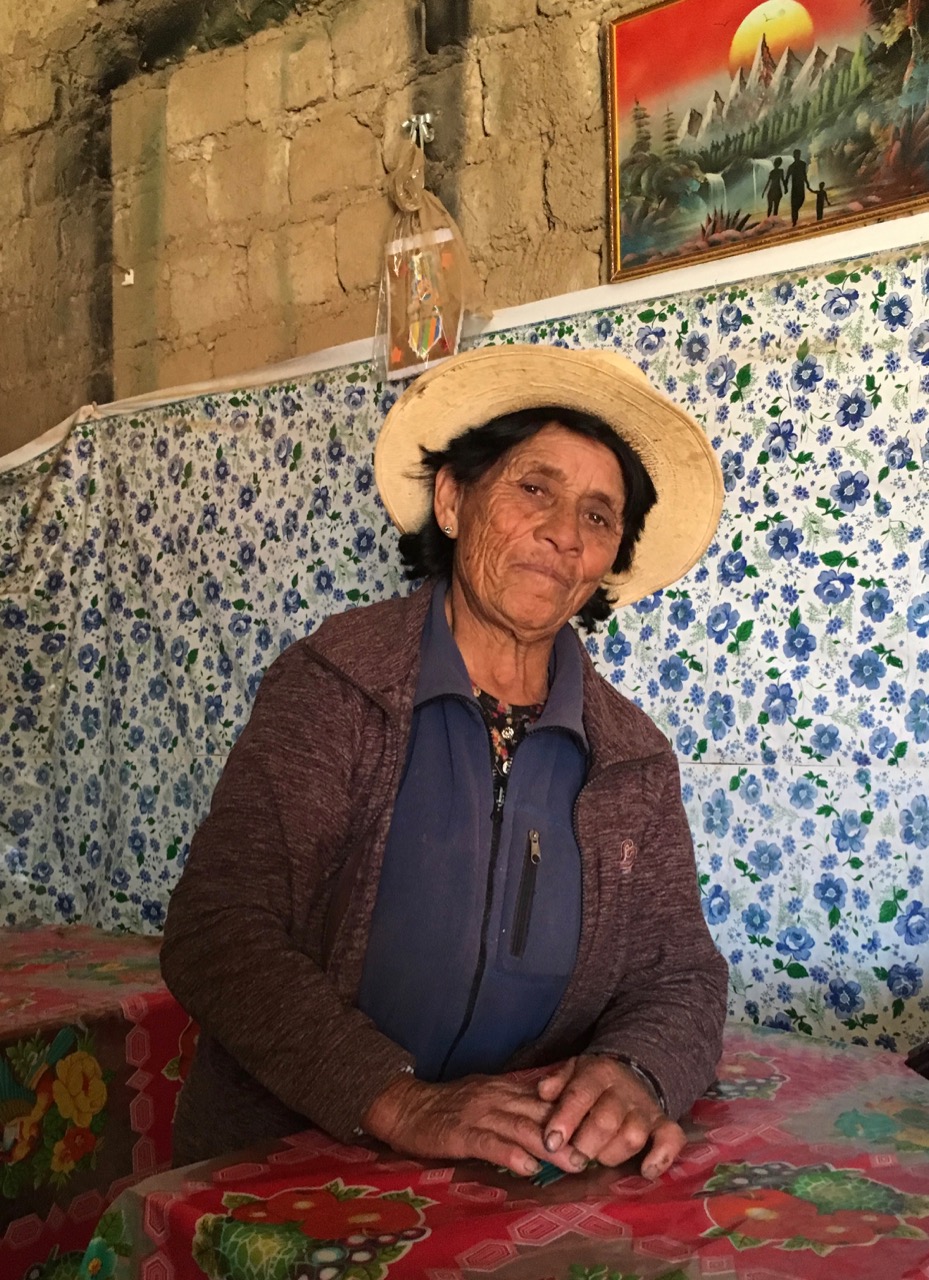
Lucila Castillo Flores is a comunera, a member of a farming collective in her village Huamantanga in the Andes mountains of Peru. Here, for more than 1400 years, farmers have been "planting" rainy season water underground to save it for the dry period. Photo by Erica Gies.
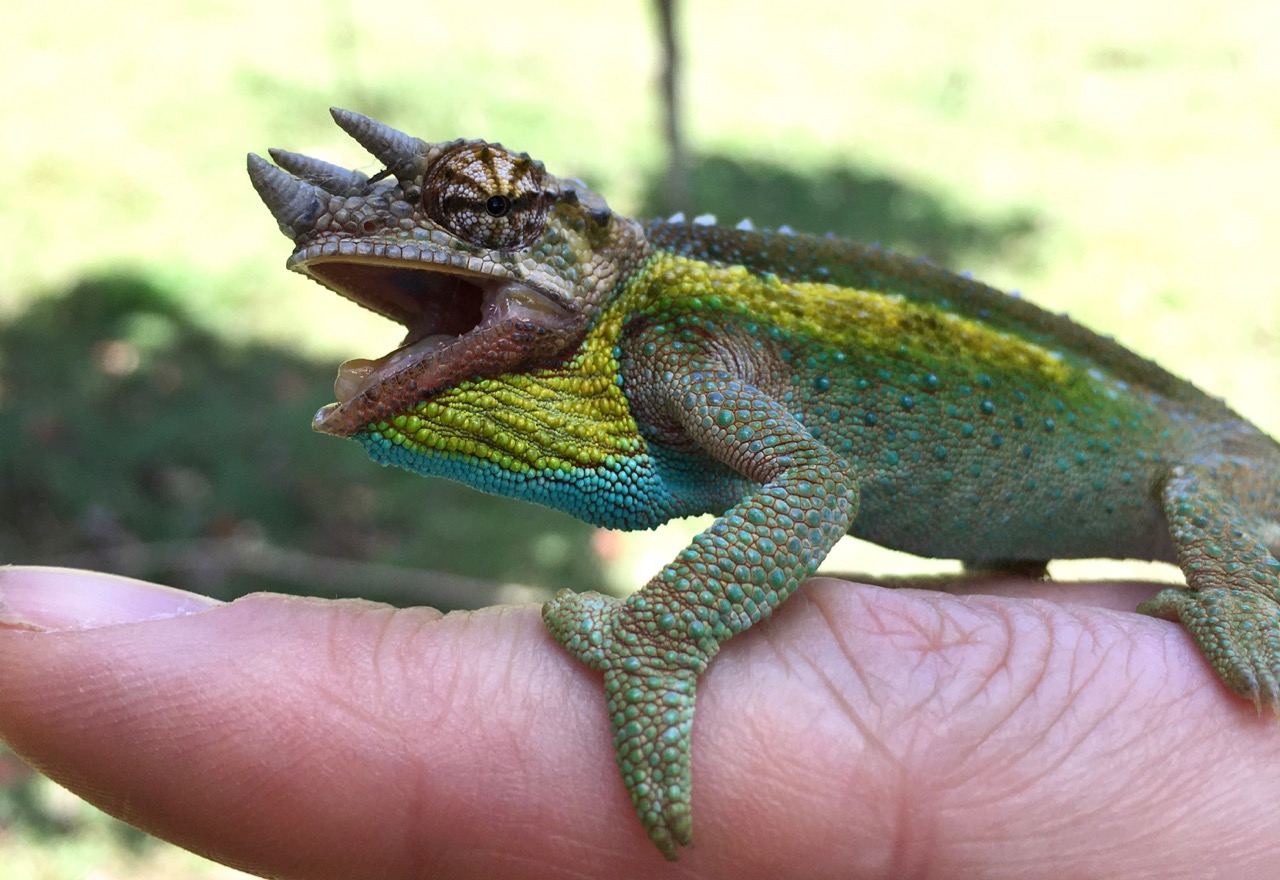
Three-horned chameleon, Aberdares National Forest, Kenya. Photo by Erica Gies.
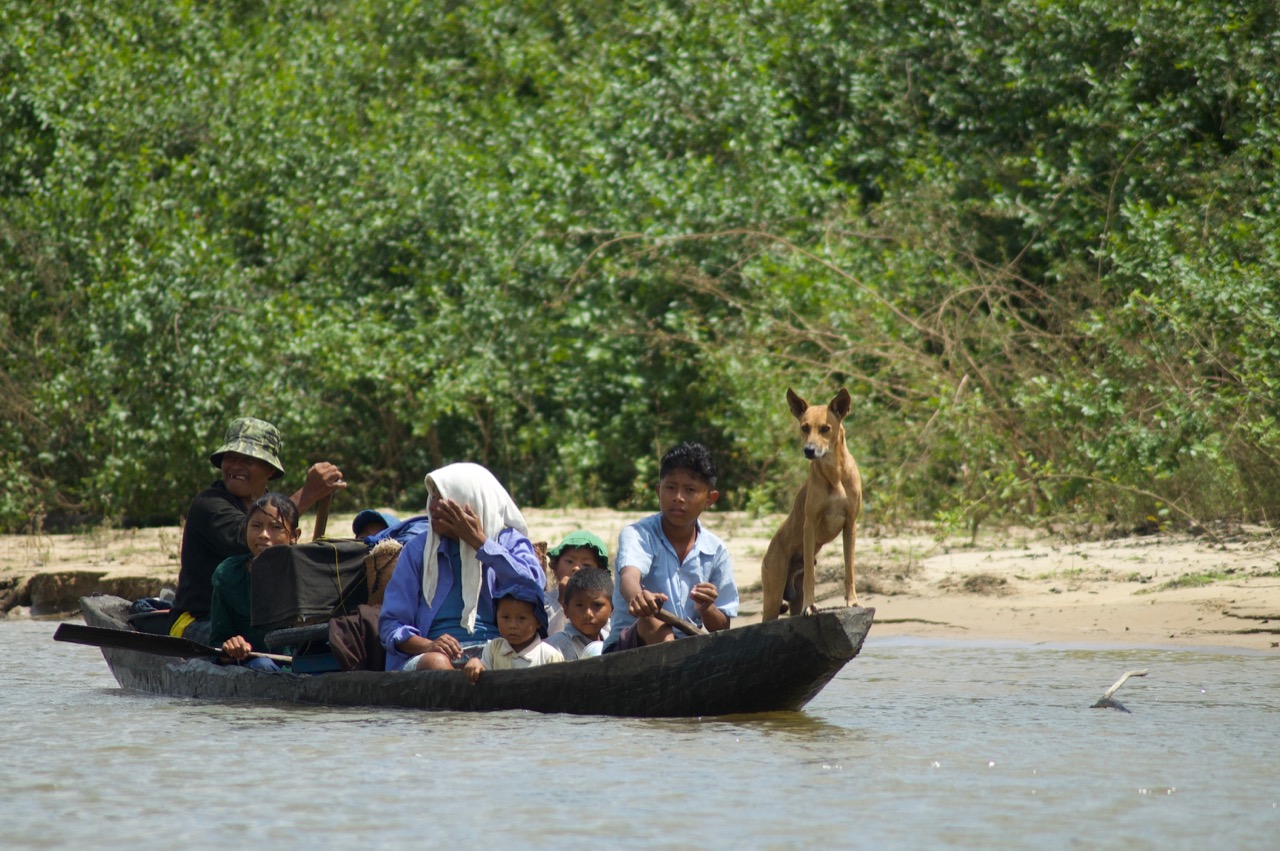
A Makushi family in Guyana's rainforest commutes in a dug-out canoe from their home to their fishing camp, where they will stay for a few weeks. Photo by Erica Gies.
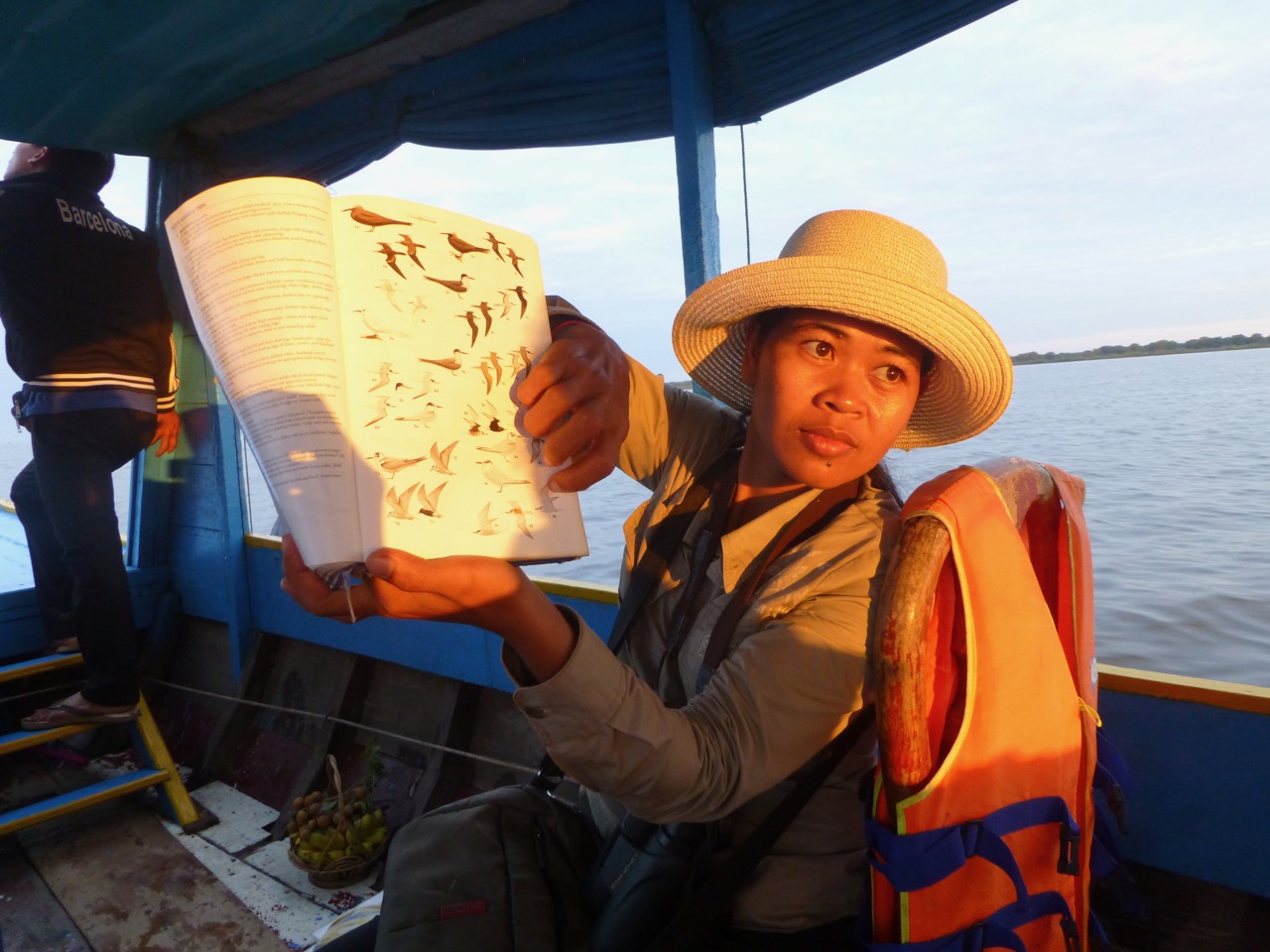
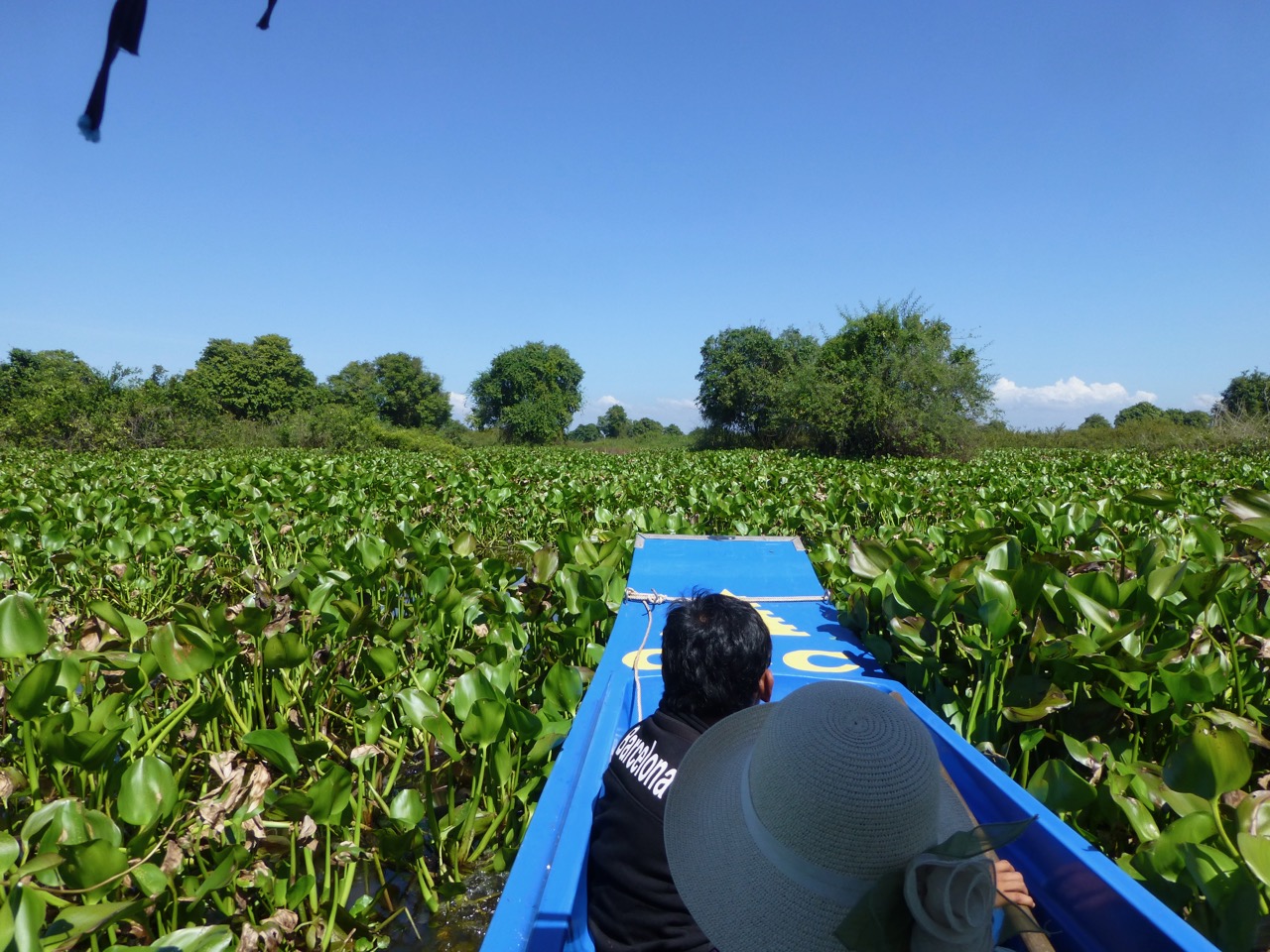
Kunthea, a local bird guide for the Sam Veasna Center out of Siem Reap, Cambodia, takes visitors to Prek Toal, a conservation area for endangered species on Tonle Sap, Southeast Asia's largest freshwater lake and a supply of food for millions of people. Photo by Erica Gies.
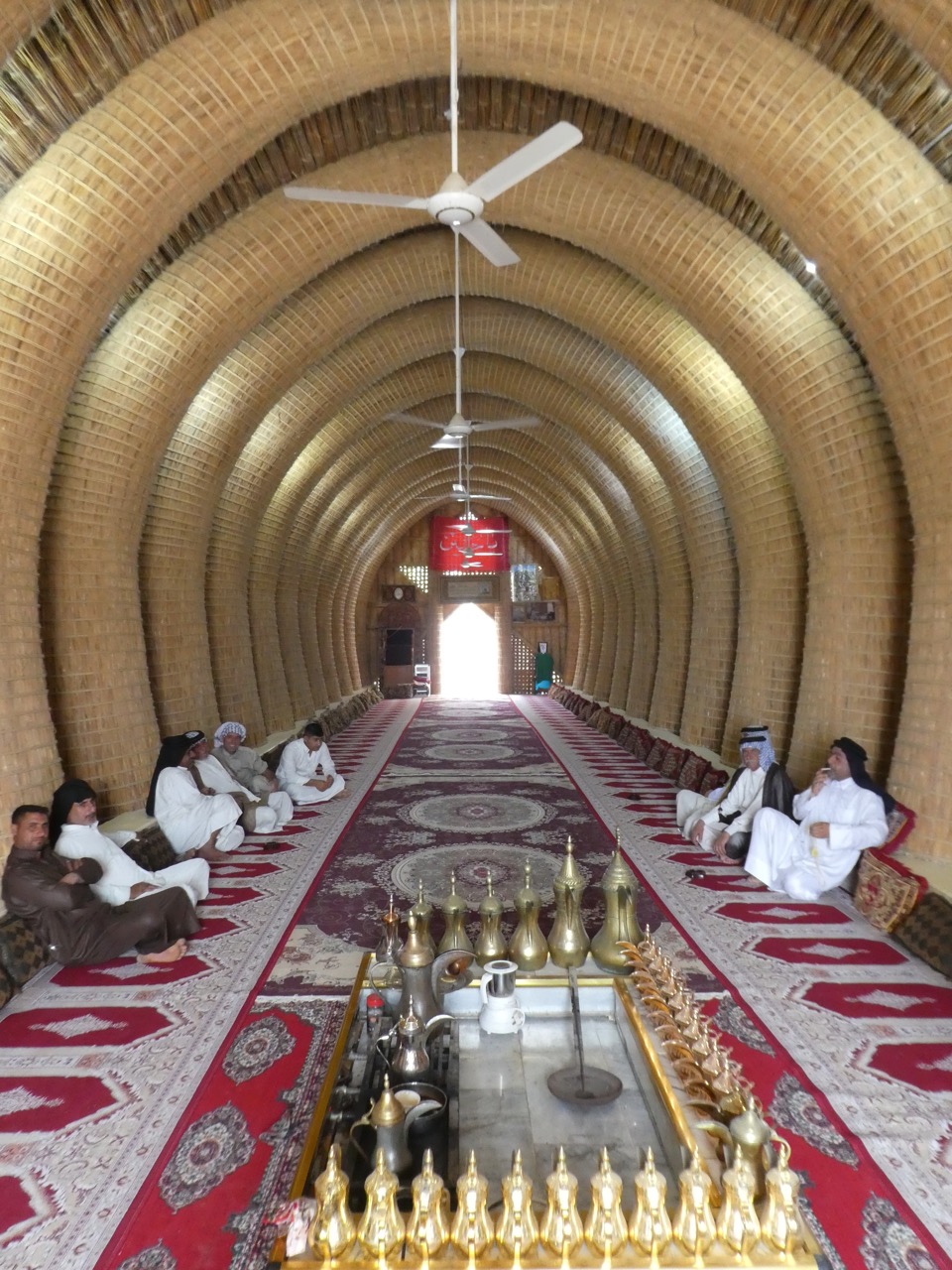
Mudhif, a community gathering place built of the dominant plant in the Mesopotamian marshes, Phragmites australis. Chibayish, Iraq. Photo by Erica Gies.
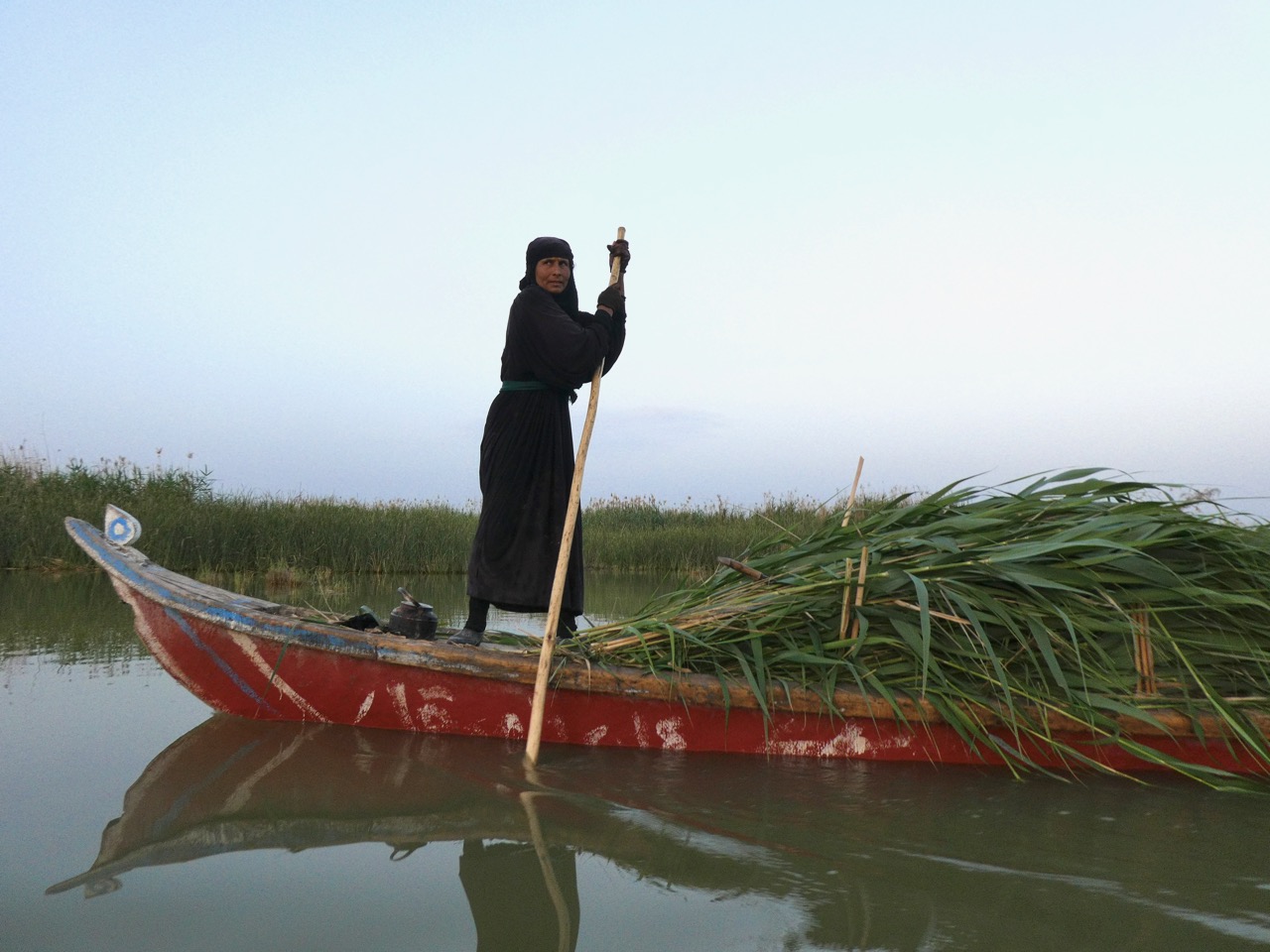
A woman who lives on the Mesopotamian Marshes near Chibayish, Iraq, poles her boat home at dusk with a load of Phragmites australis, native reeds locals use for building materials. Photo by Erica Gies.
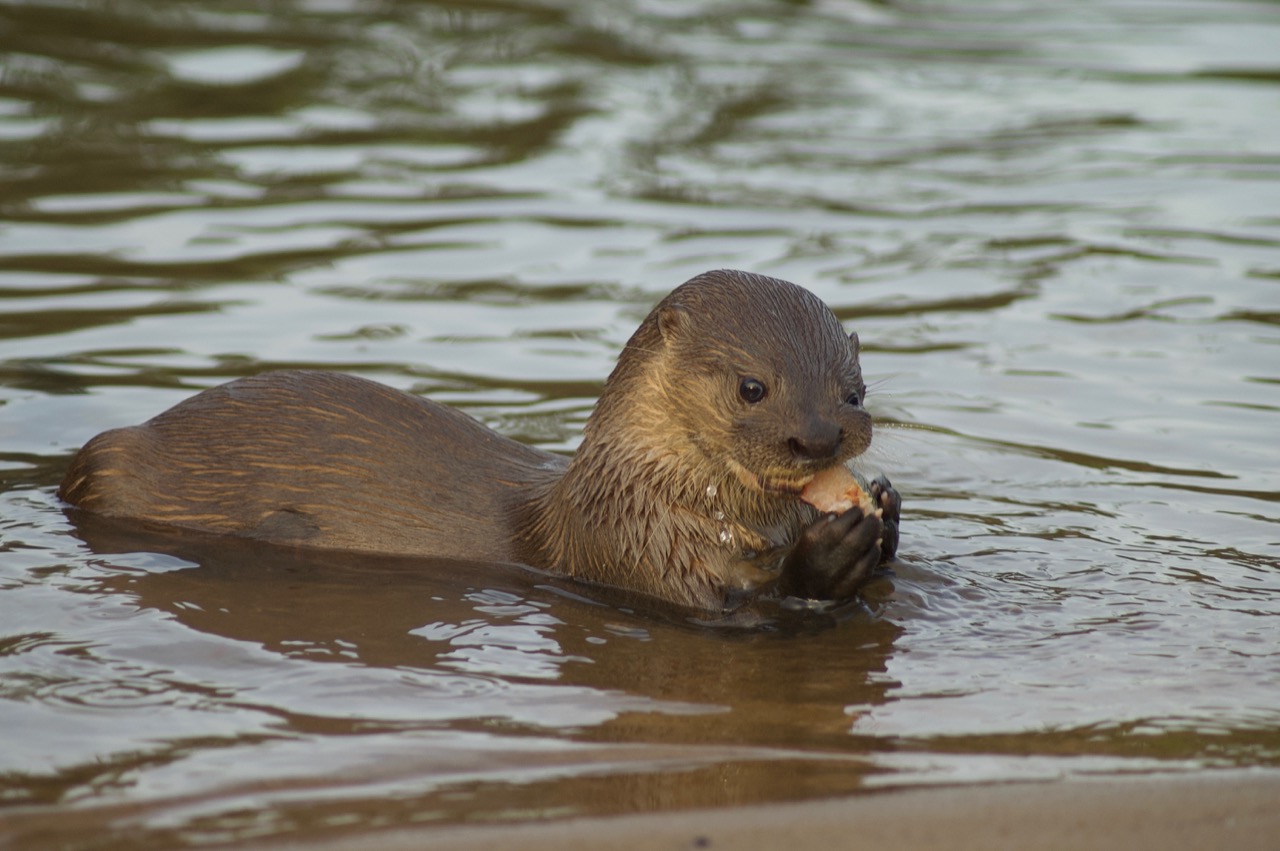
Young giant river otter eating fish in the Rupununi River near Karambu, Guyana. These otters grow up to six feet long and are endangered. Photo by Erica Gies.
Researchers from U.C. Davis measure groundwater at Childs Meadows, Tehama County, California. Photo by Erica Gies.
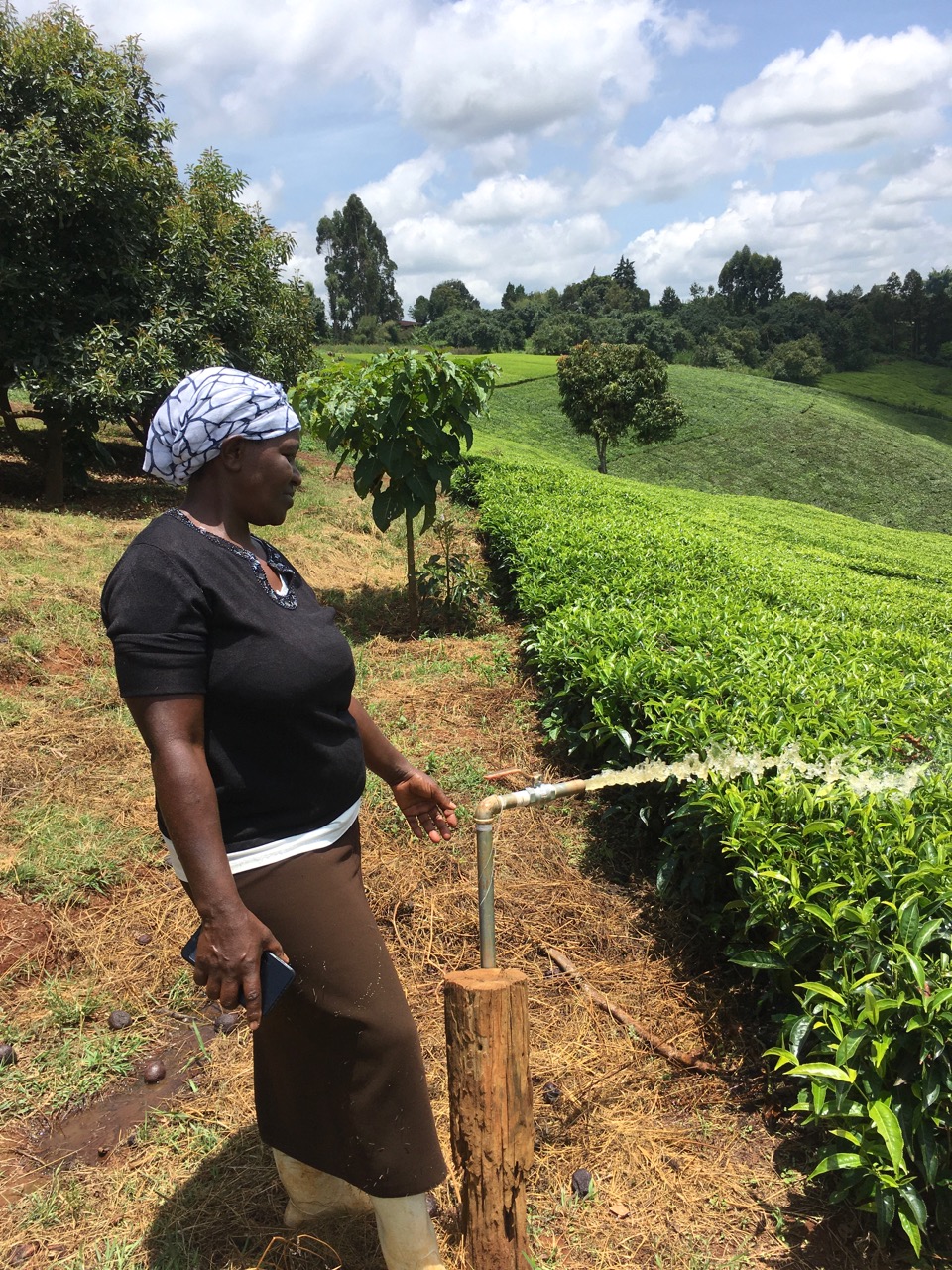
Ruth Kamau, a smallholder farmer of tea and avocados in the Thika-Chania watershed above Nairobi, Kenya, has built three water ponds to capture rainwater and reduce the amount of water she hauls from the river. Here she demonstrates the flow she has on tap from her rainwater ponds. Photo by Erica Gies.
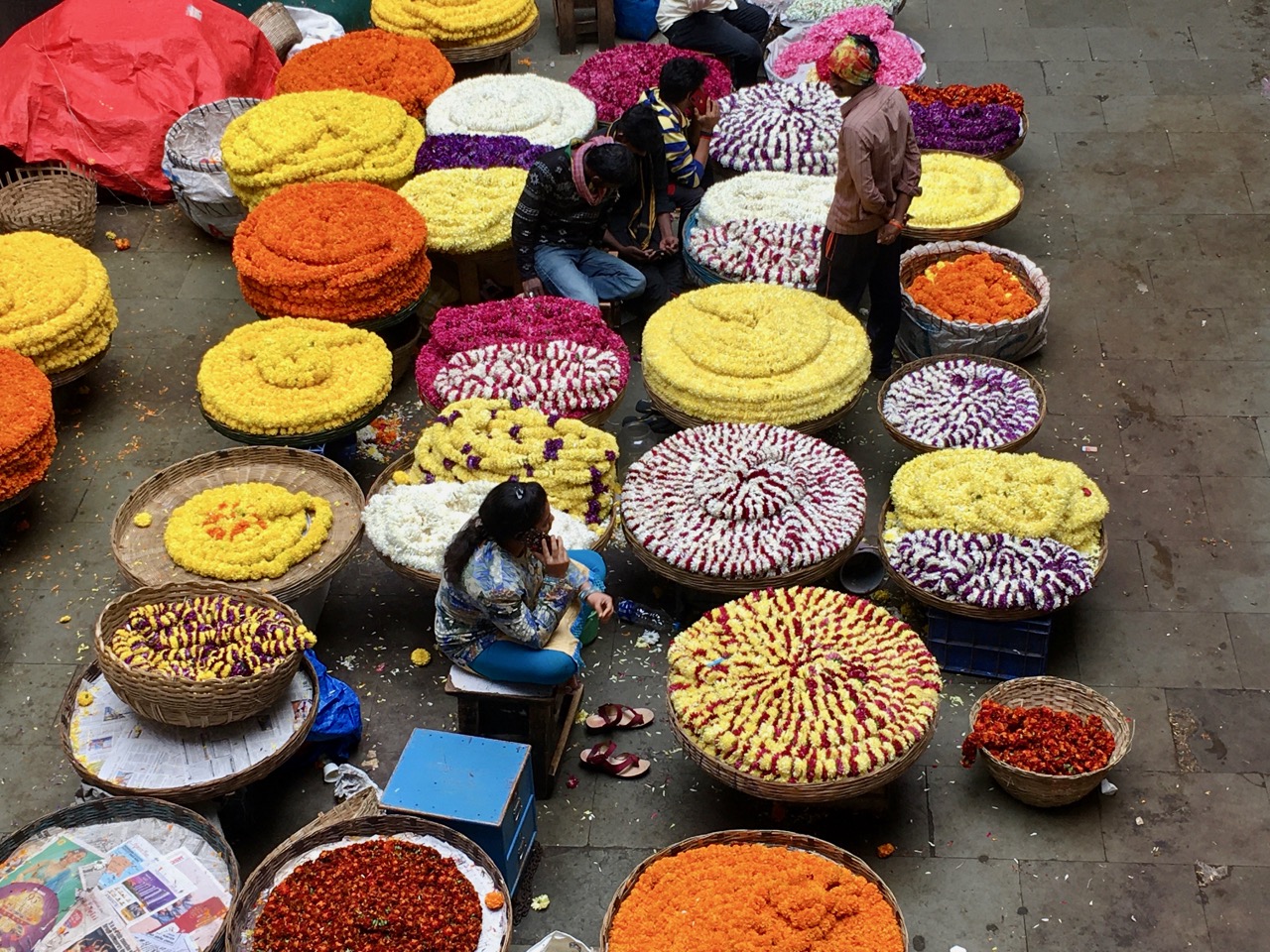
Flower market, Benagluru, Karnataka, India. Photo by Erica Gies.
Small girl, big buffalo. Water buffalo milk and cream are an important food source for marsh dwellers in the Mesopotamian Marshes, Iraq. The animals seem almost part of the family. Photo by Erica Gies.
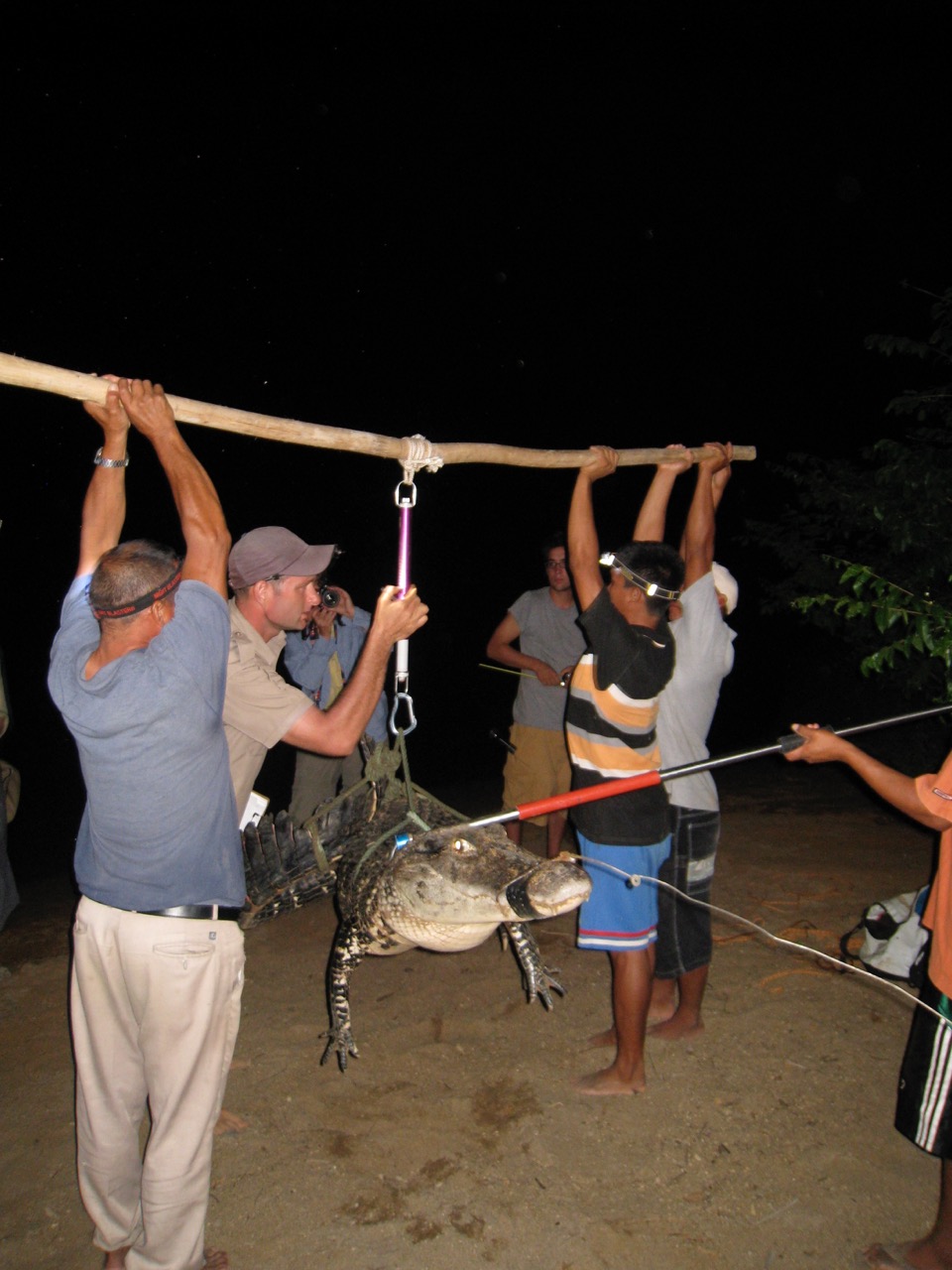
Yupakari caiman study in Yupakari, a Makushi village on the Rupununi River, Guyana. Photo by Erica Gies.
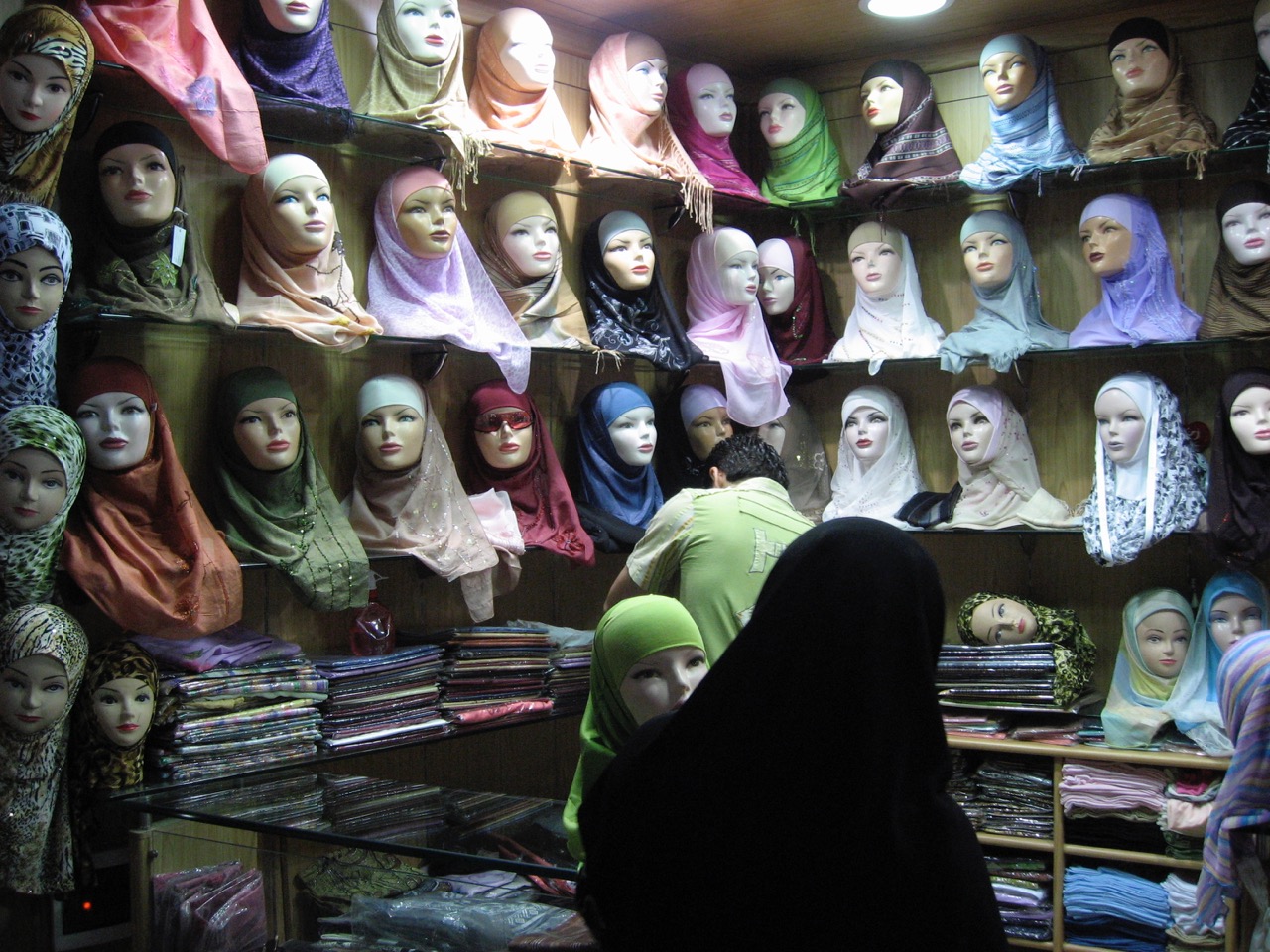
Woman shopping at the souk in Damascas, Syria, before the war, 2007. Photo by Erica Gies.
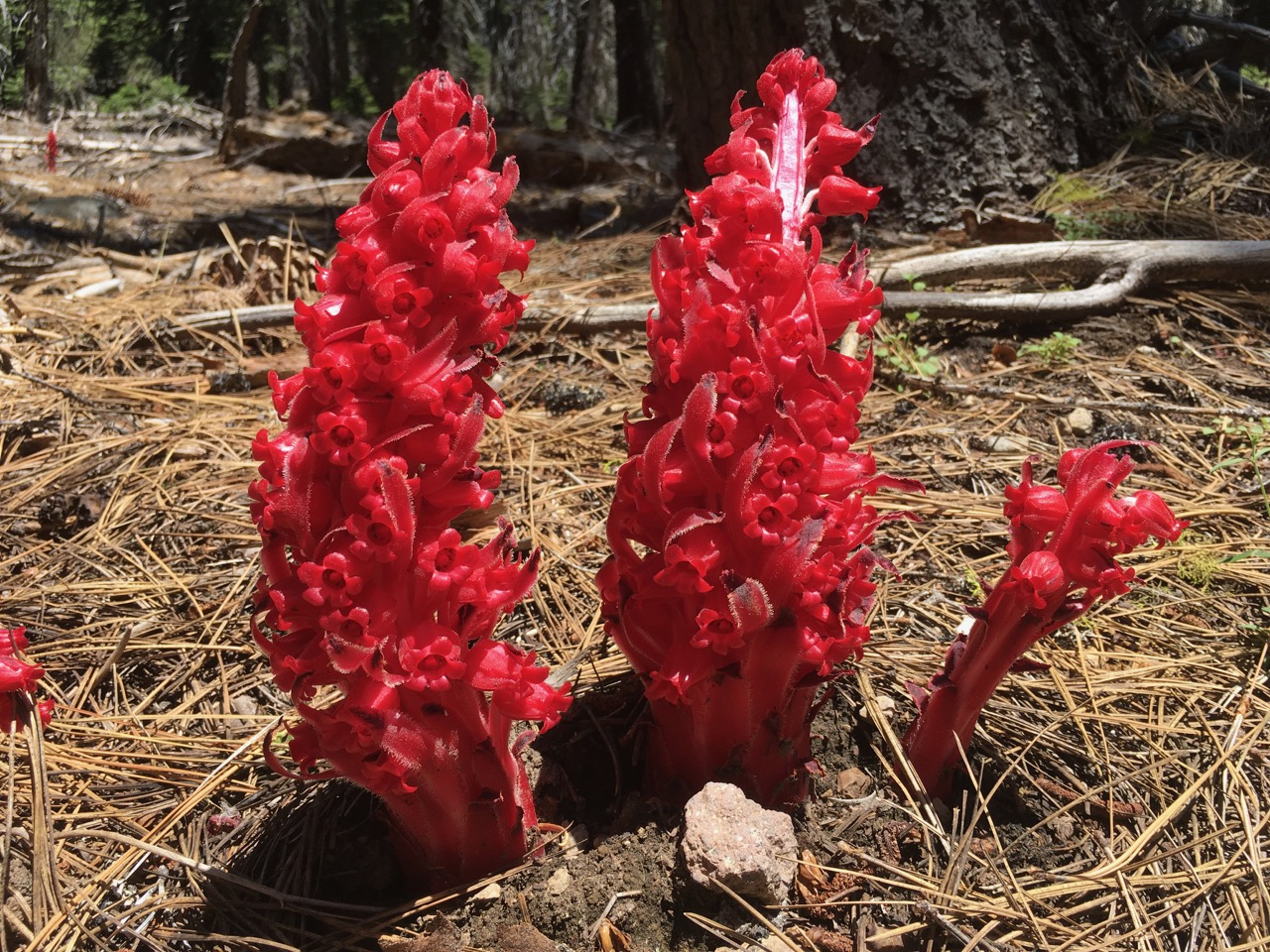
Snow flowers near Lassen Volcanic National Park, California. Photo by Erica Gies.
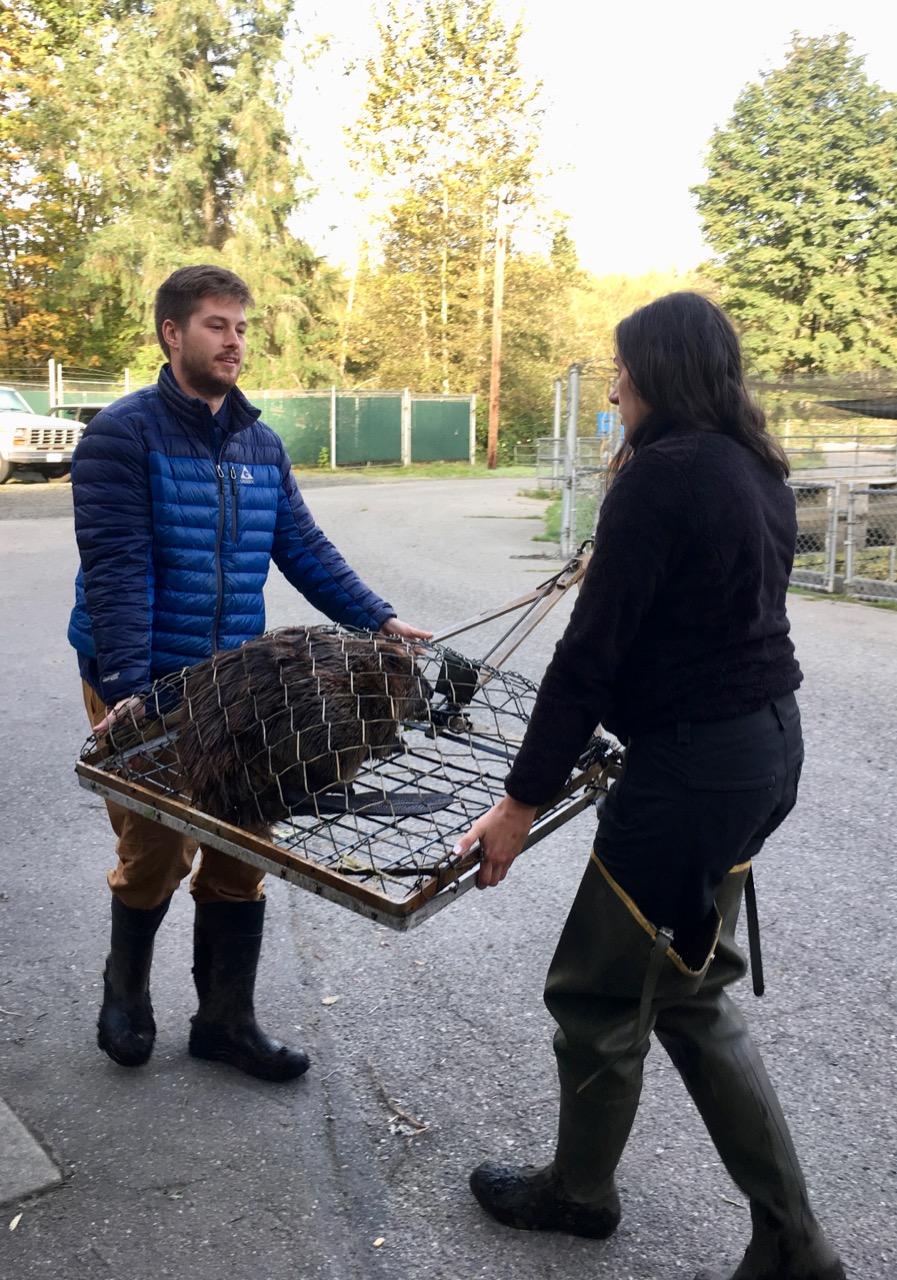
David Bailey and Molly Alves carry a trapped beaver to prepare it for relocation on behalf of the Tulalip Tribe. Beavers can heal streams human activities have damaged. Photo by Erica Gies.
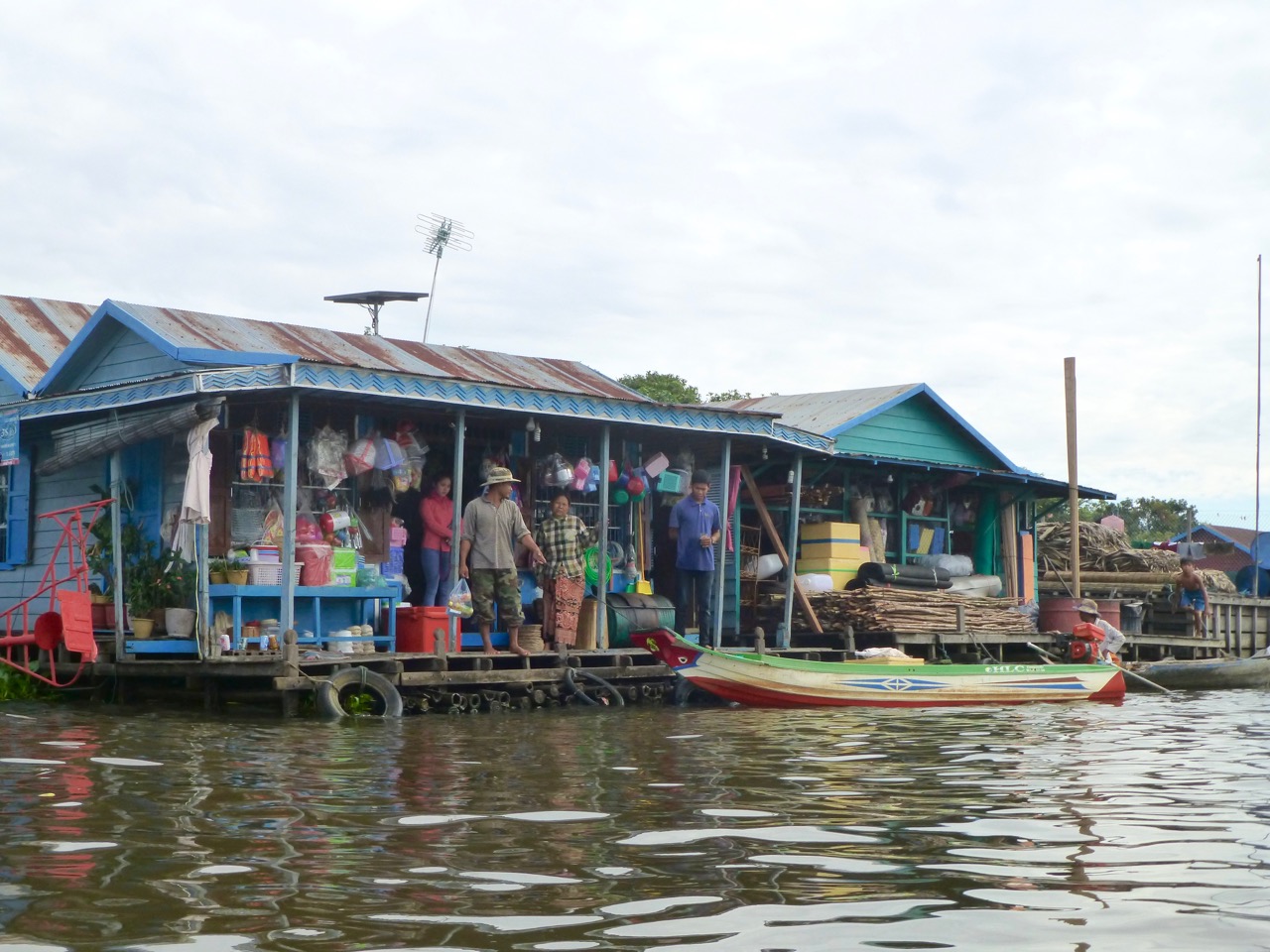
Floating store on Tonle Sap, Southeast Asia's largest freshwater lake, home to thousands of dispossessed people. The lake faces numerous threats, including a dam-building boom in China and Laos. Photo by Erica Gies.
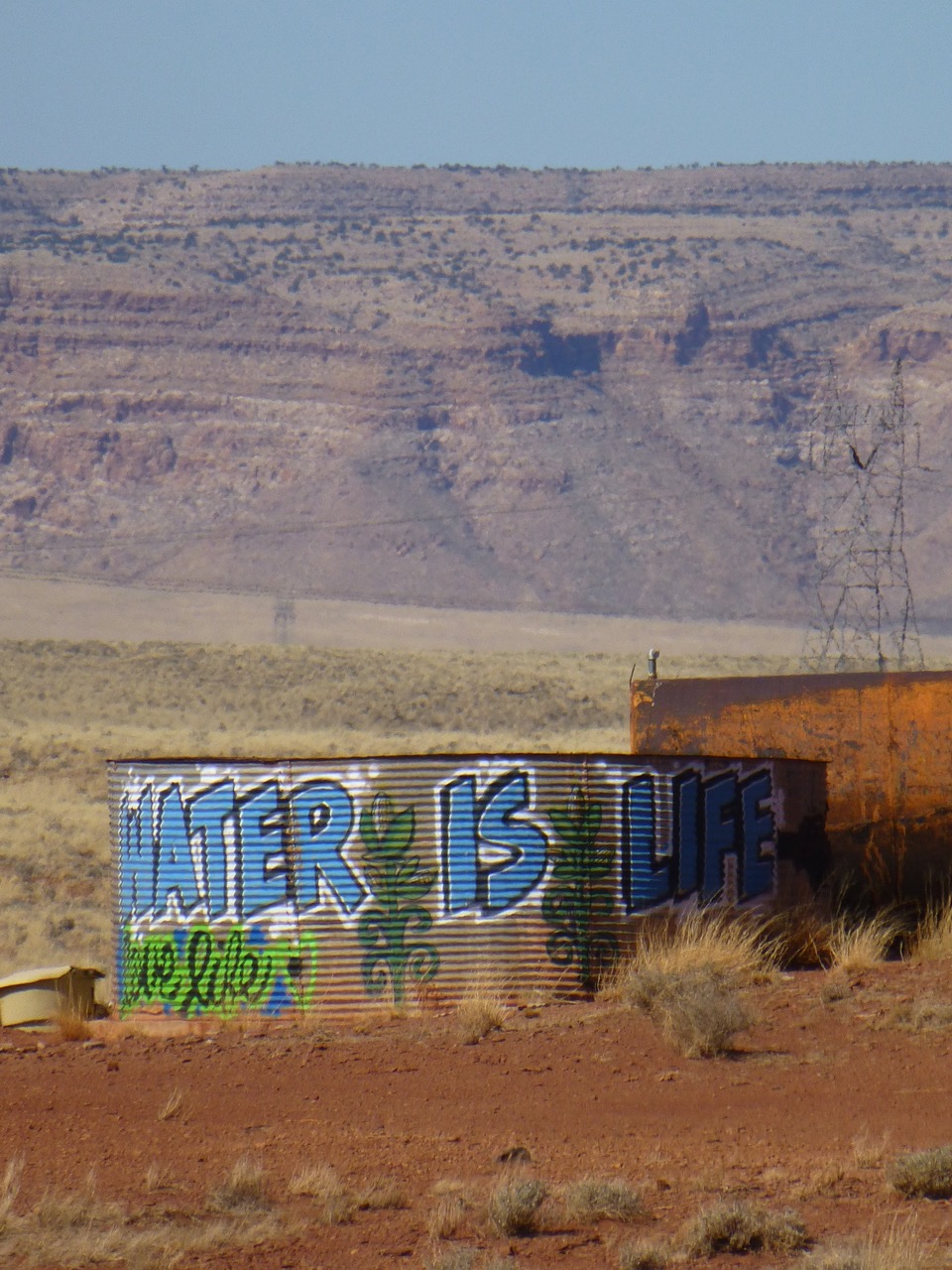
water tank on Navajo (Dine') land
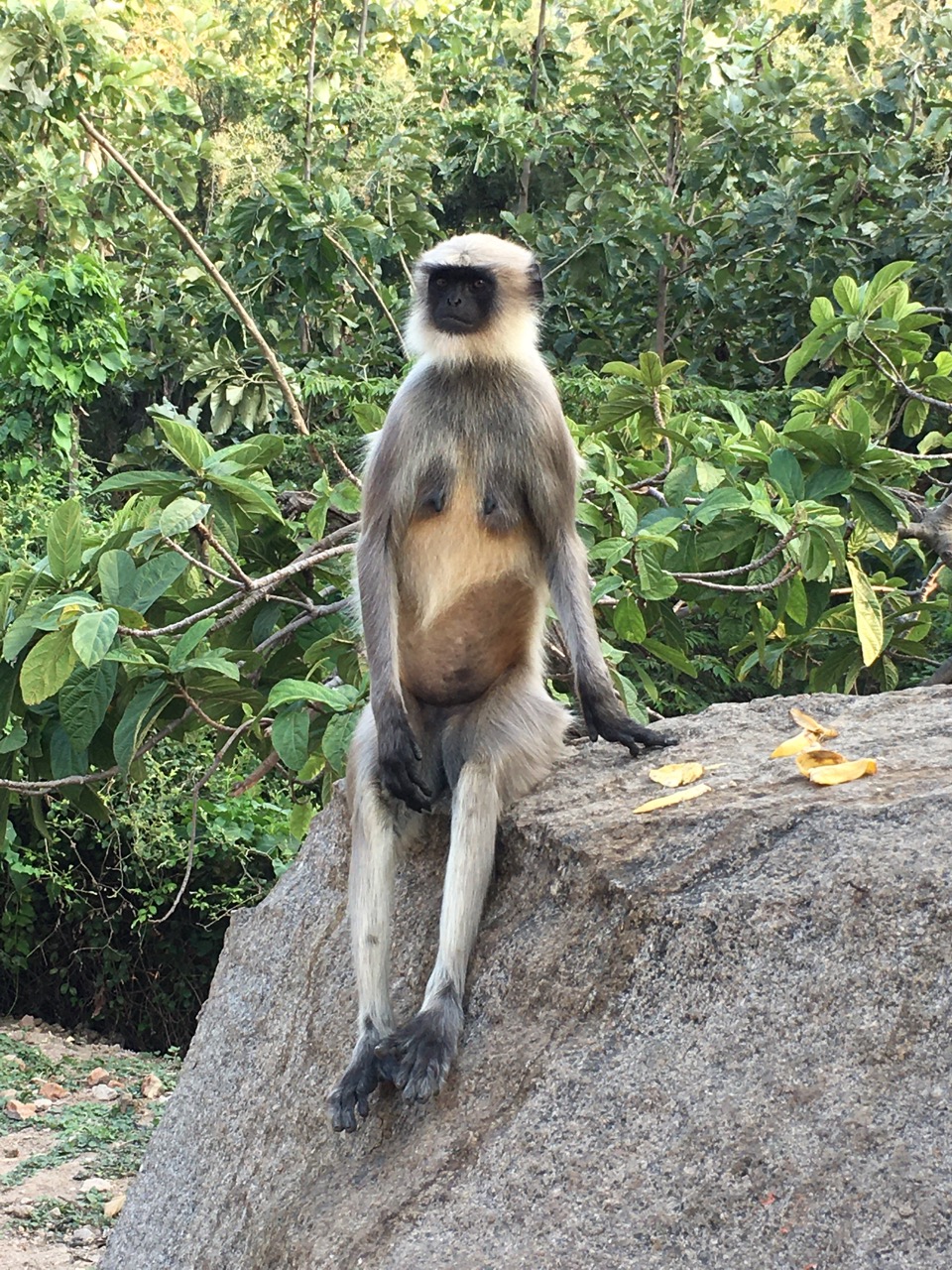
A langur poses at a temple site in the Hampi complex, Karanataka, India. Photo by Erica Gies.
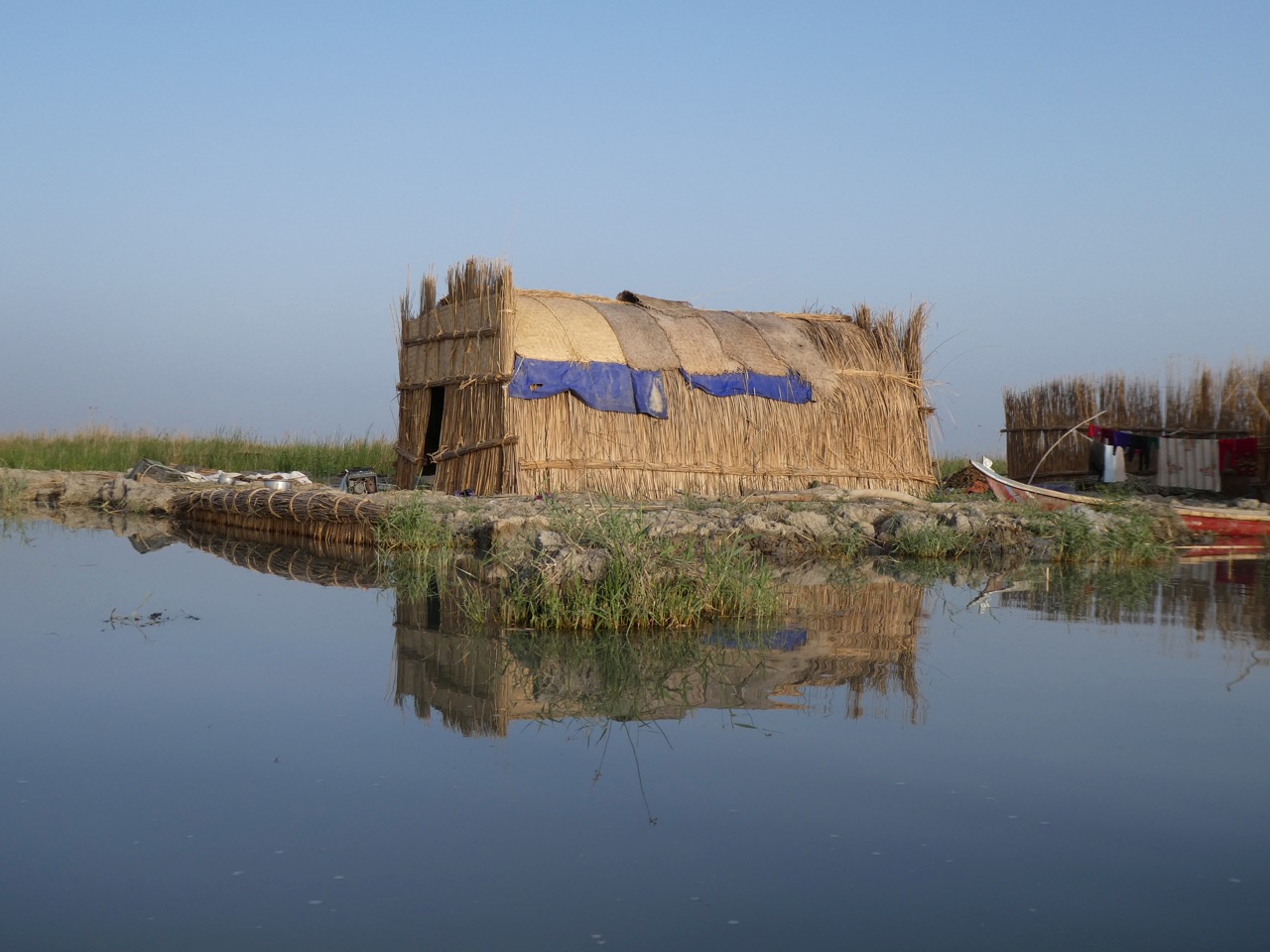
A traditional Marsh Arab home, built in the same style used by the ancient Sumerians. It floats atop the Mesopotamian Marshes. Photo by Erica Gies.
The souk in Aleppo, Syria, in 2007. Photo by Erica Gies.
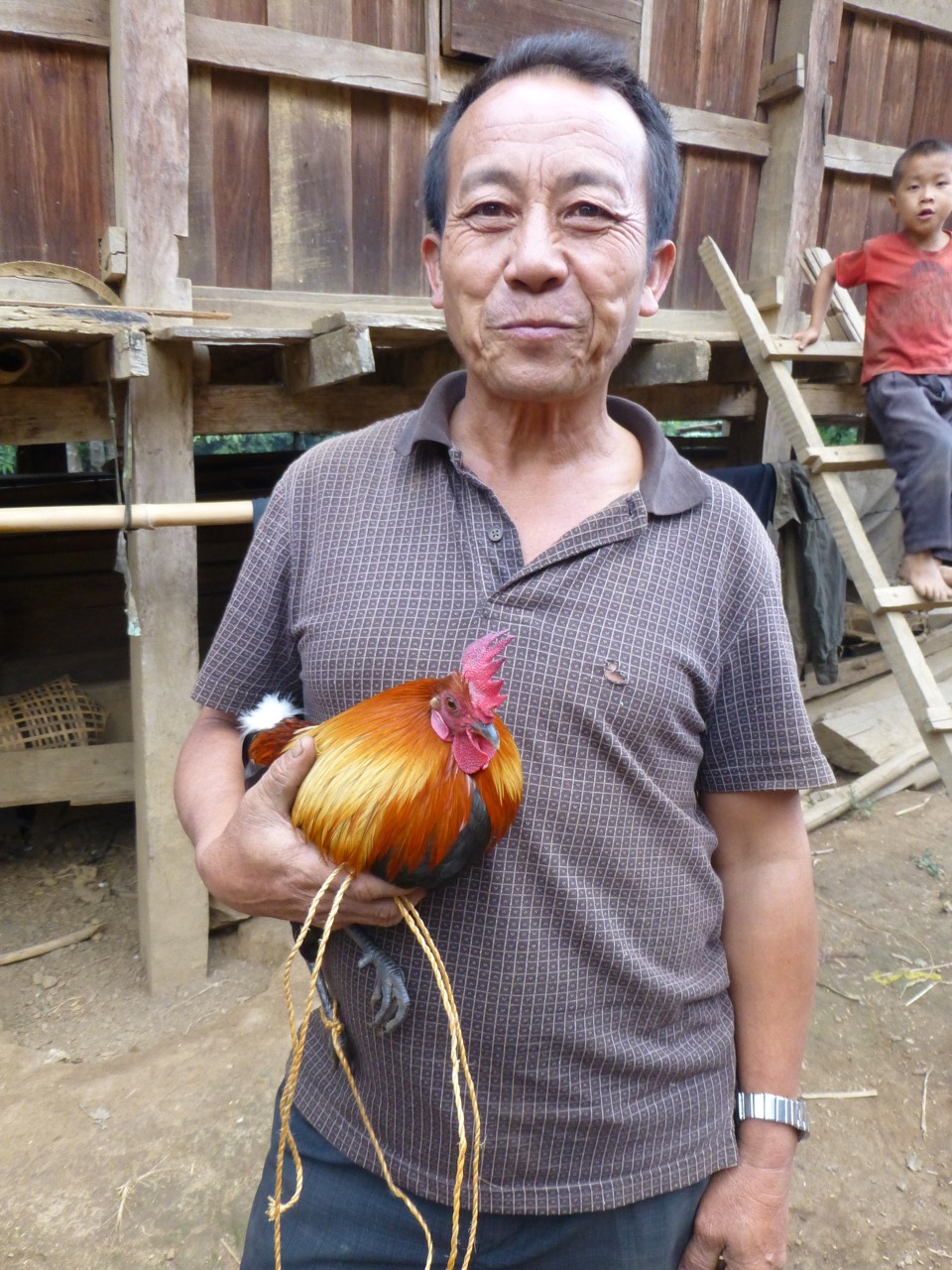
Hmong man in rural Laos with his rooster. Photo by Erica Gies.
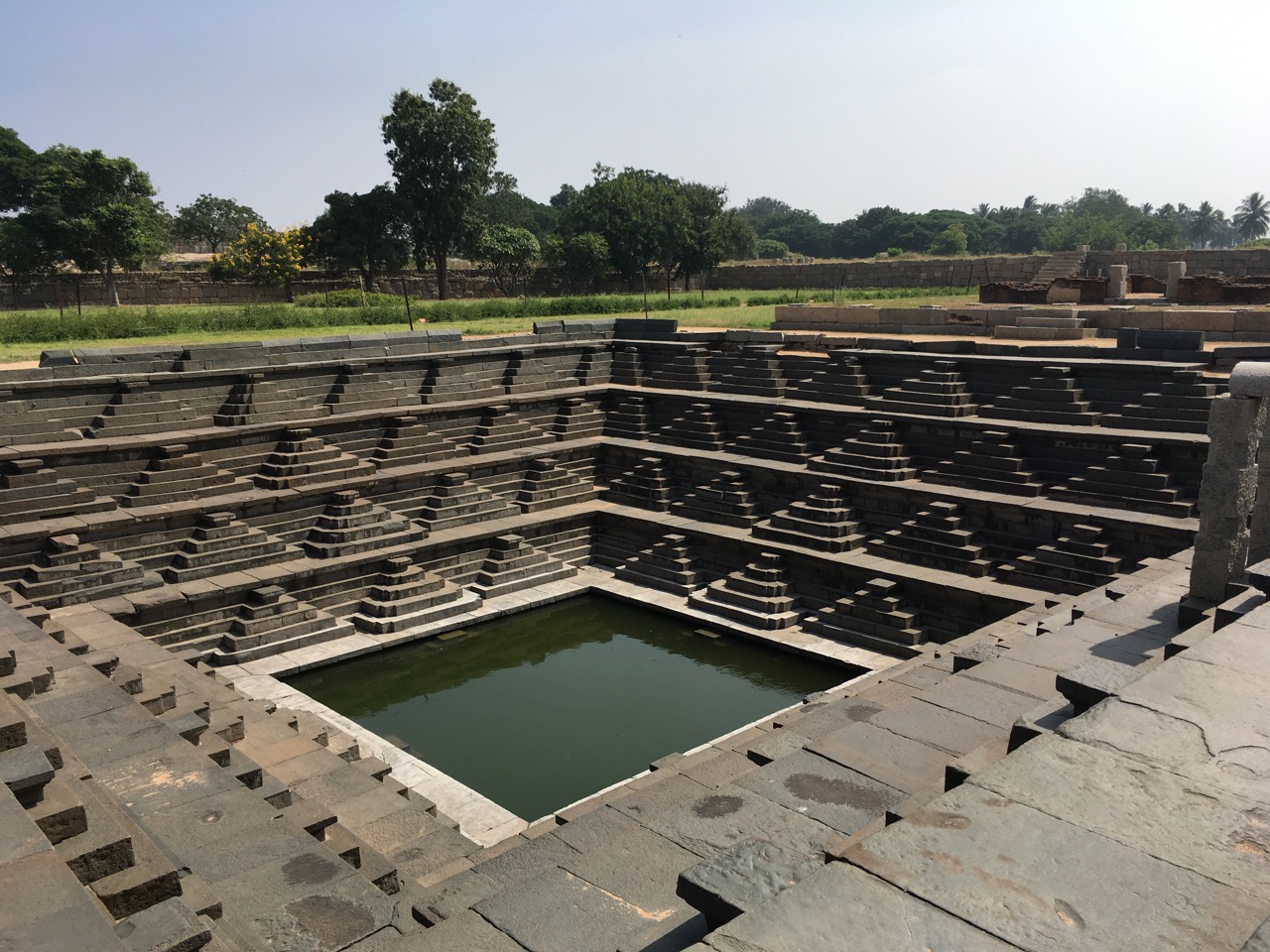
These stepped ponds are part of life in South India, where they supply water to temples and communities and recharge groundwater. Hampi, Karnataka. Photo by Erica Gies.
On a birding journey with Sam Veasna Center at Tonle Sap, Cambodia. Photo by Erica Gies.
This amuna, or water canal, above Huamantanga, Peru, allows local farmers to divert rainy season water underground, storing it for the long dry period. Photo by Erica Gies.
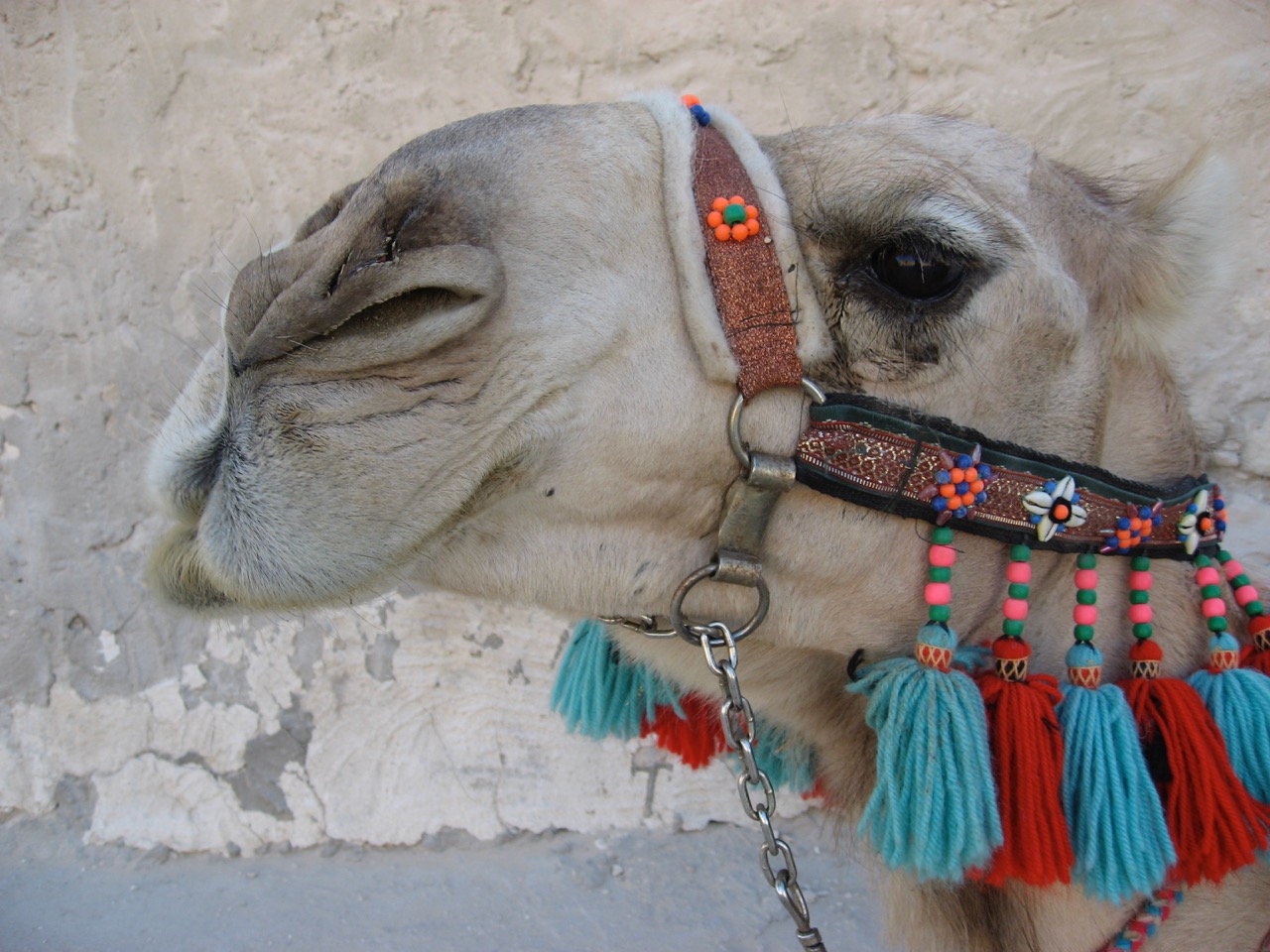
Camel at Palmyra, Syria. By Erica Gies.
Red palm weevil, rural northern Laos. Photo by Erica Gies.
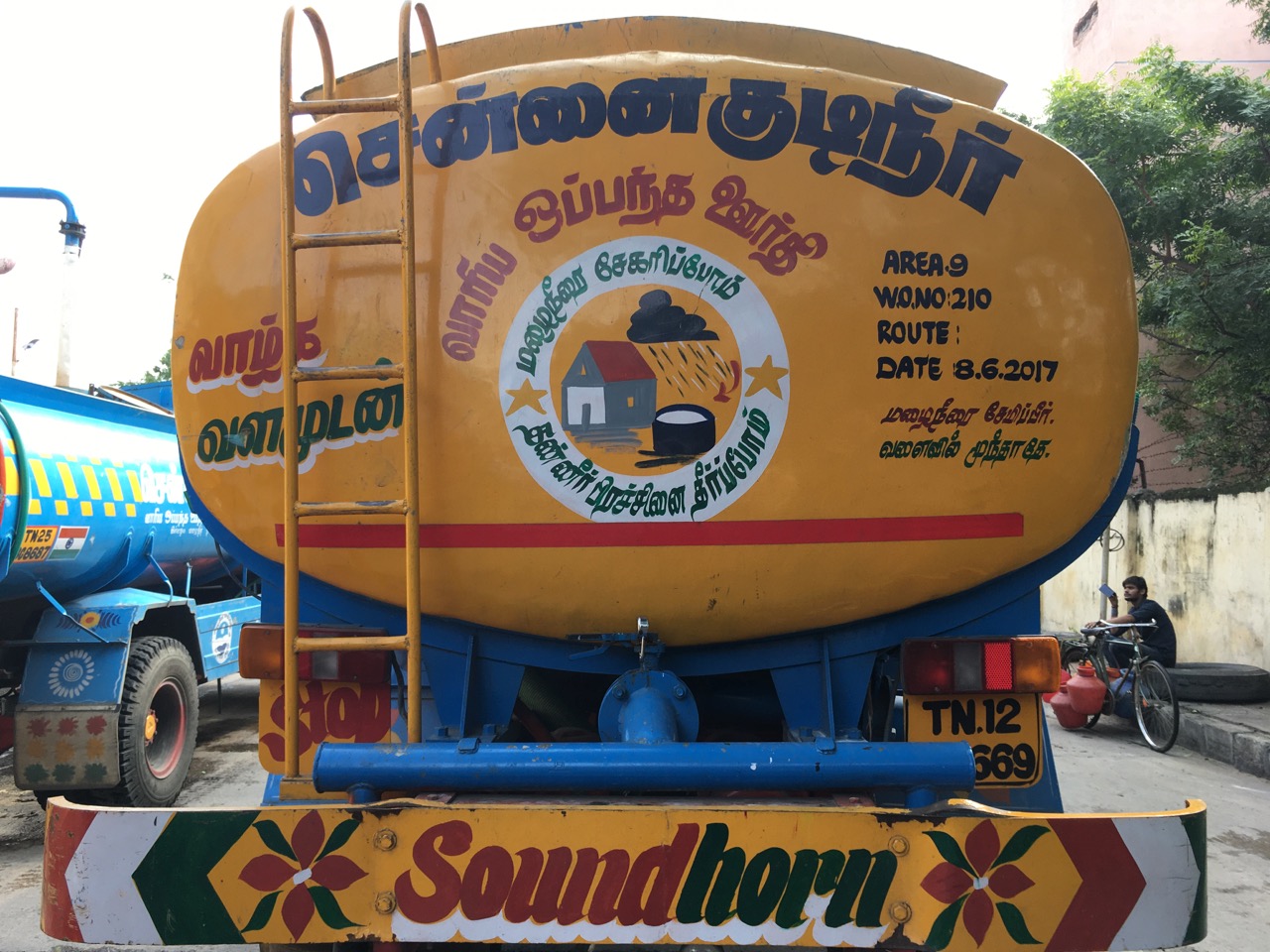
In Chennai, India, water trucks deliver water to people unconnected to city water and to connected people when city water runs dry. This is becoming a common practices in many places around the world. Photo by Erica Gies.
Erica Gies
2026 © Erica Gies. All rights reserved.