Stories
TakePart
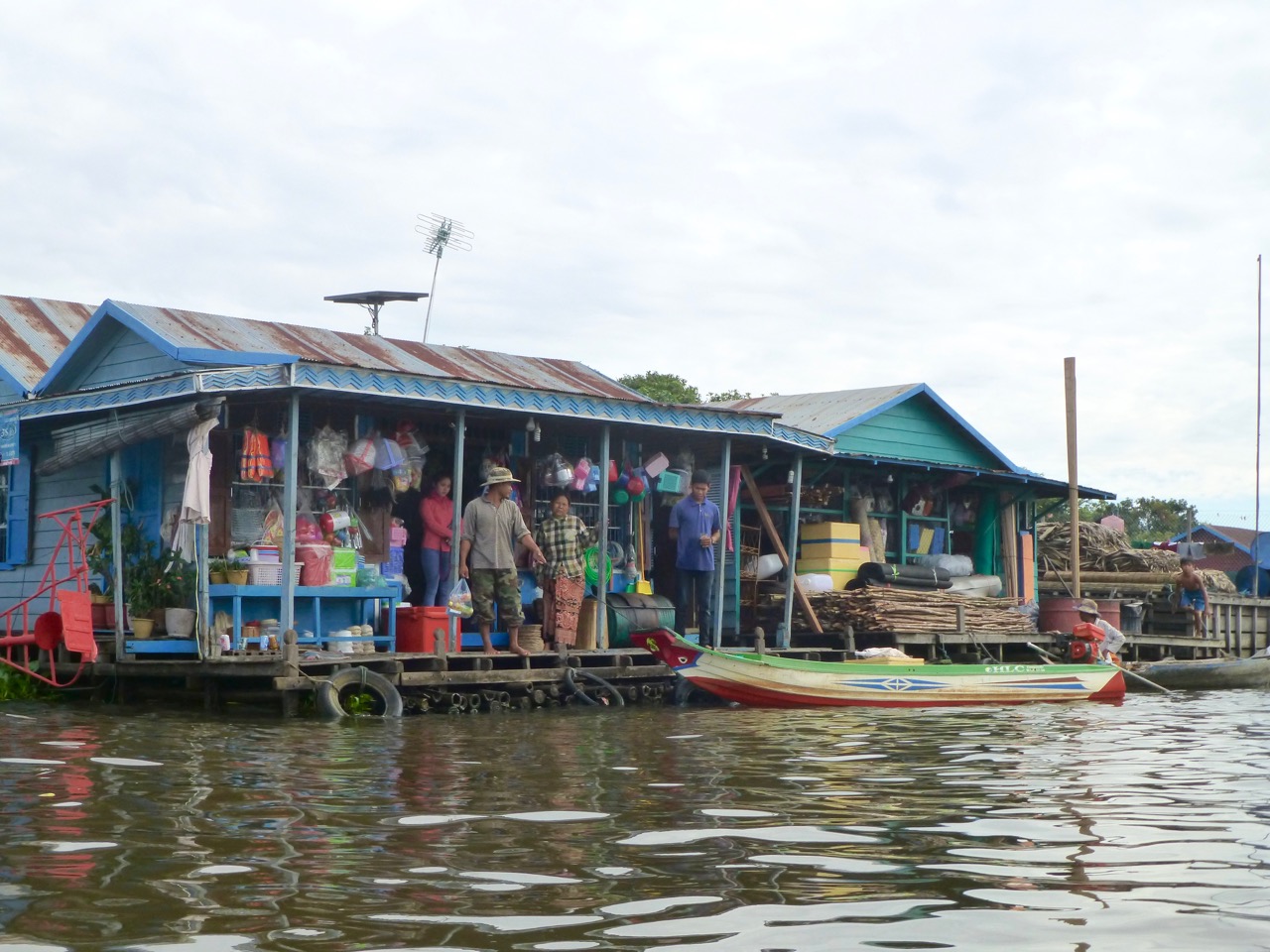
A Giant Lake that Sustains Millions of People Is in Danger
Dams, overfishing, and pollution threaten Cambodia’s Tonle Sap, the largest lake in Southeast Asia and one of the world’s most productive fisheries.
The New York Times
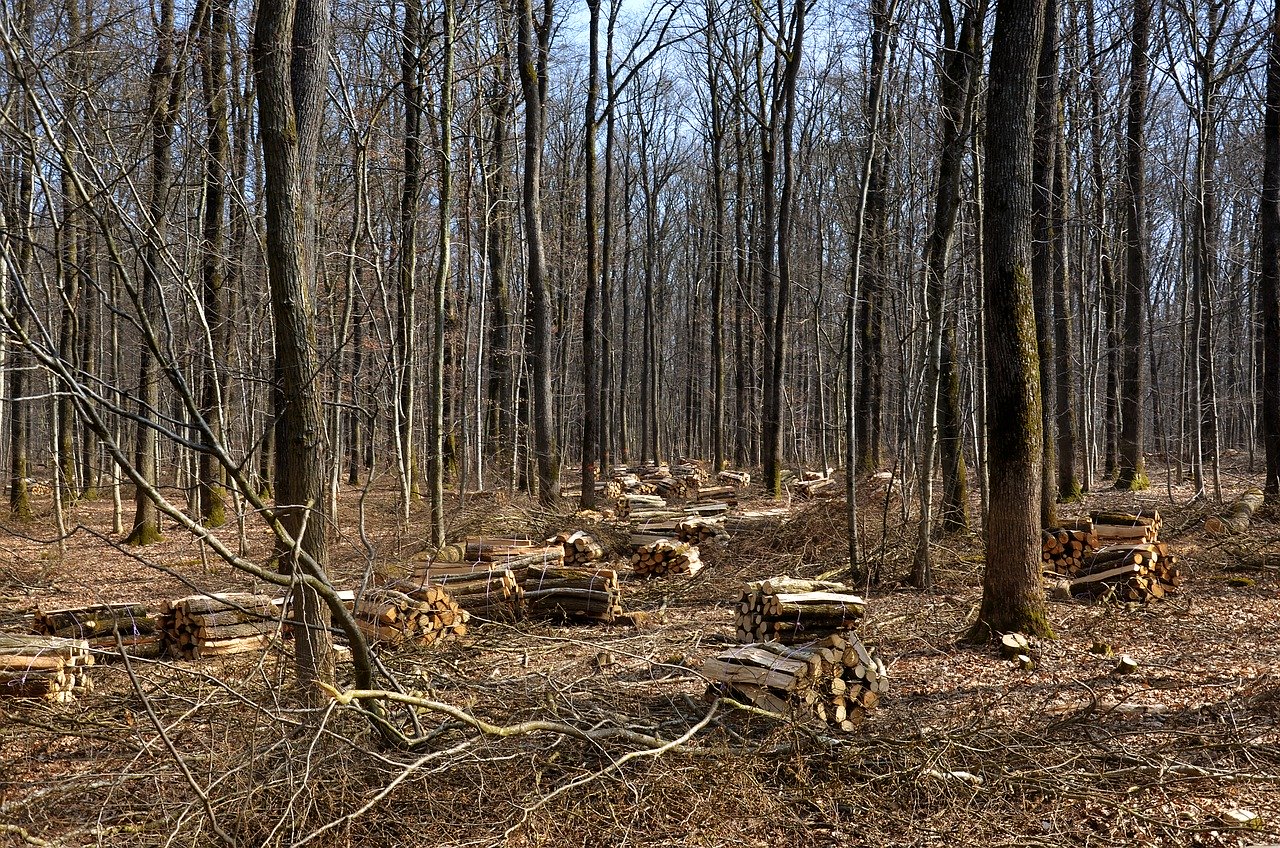
Potential Grows for Biomass Energy
TakePart
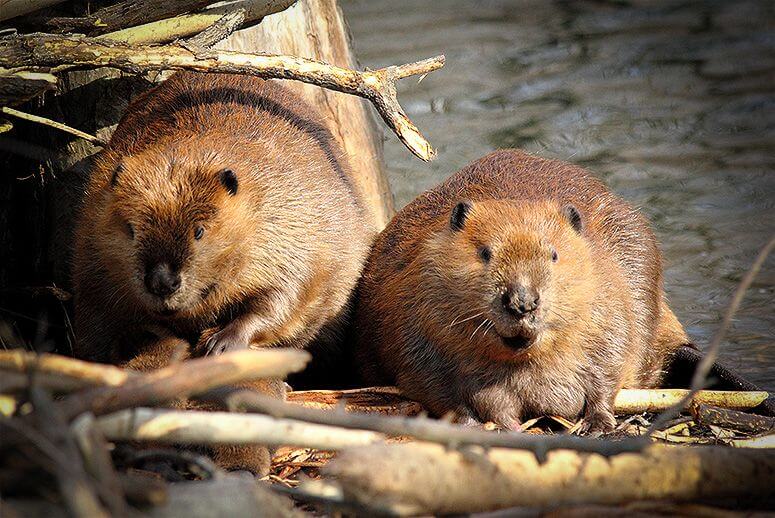
Coca-Cola Leaves It to Beavers to Fight the Drought
The soft-drink giant is deploying the dam-building animals to replenish groundwater supplies.
The New York Times
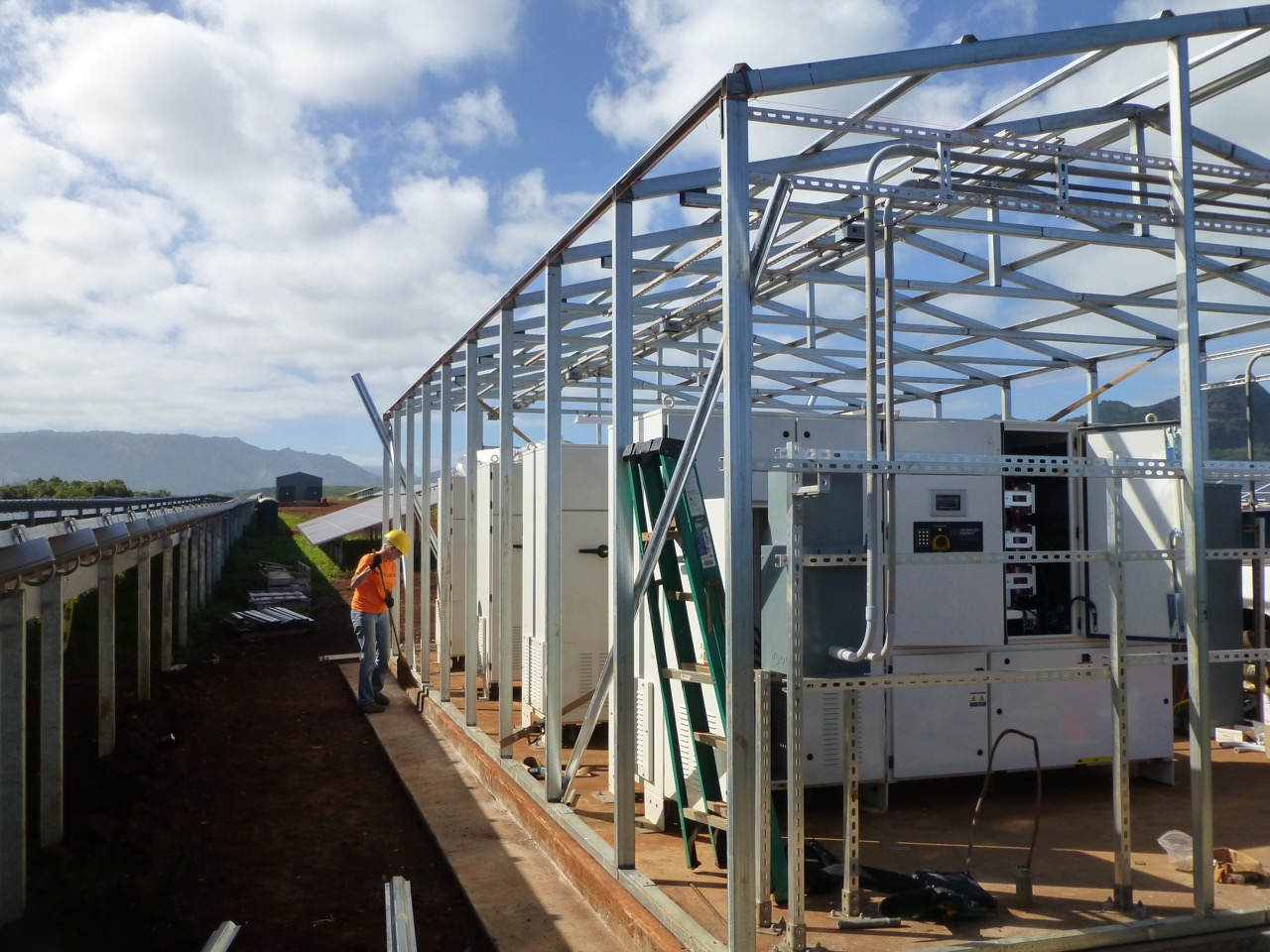
The Challenge of Storing Energy on a Large Scale
TakePart
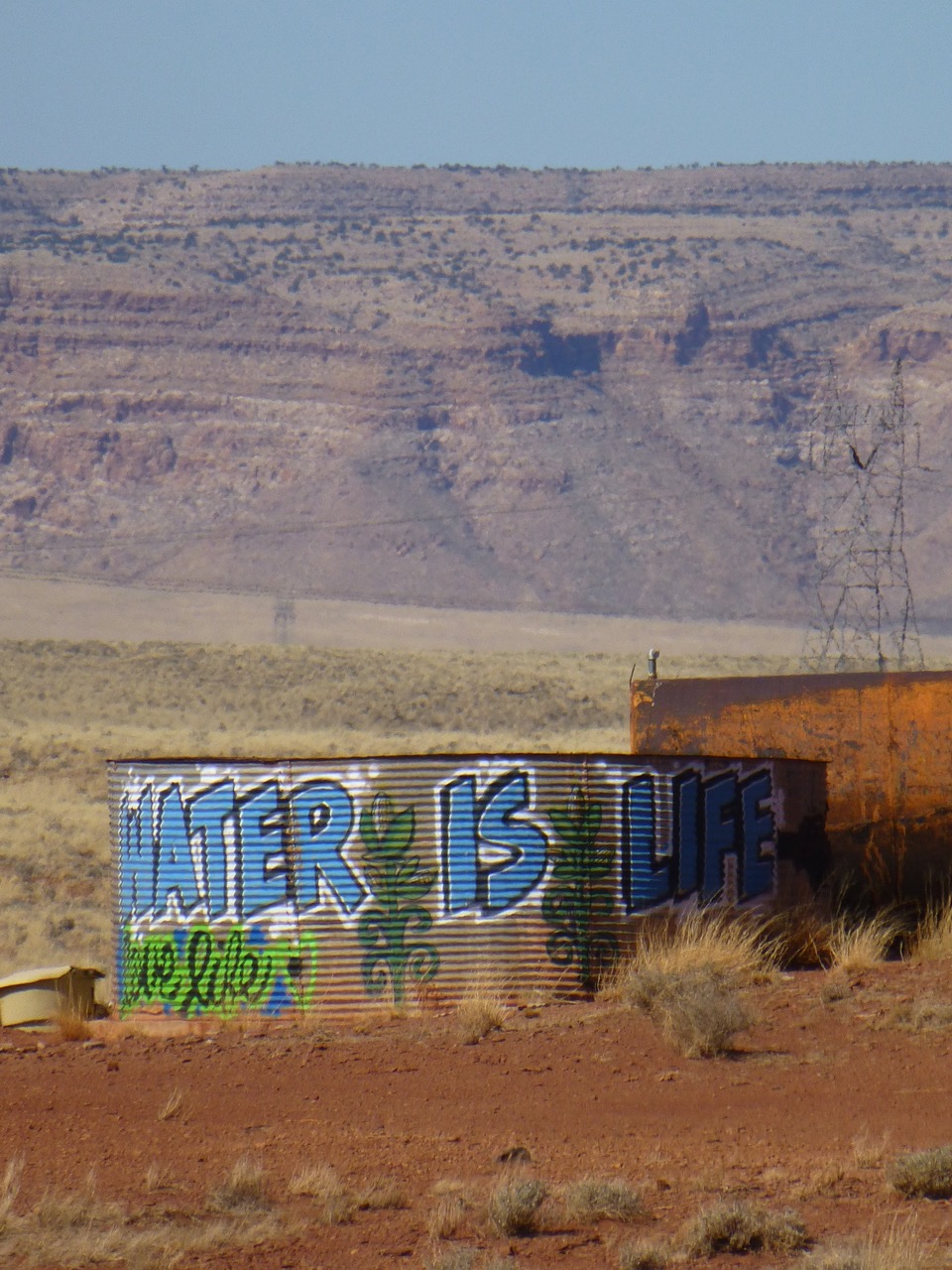
The Navajo Are Fighting to Get Their Water Back
A third of tribe members lack clean water while cities thrive on rivers running through reservations. New deals are enabling them to take some...
TakePart
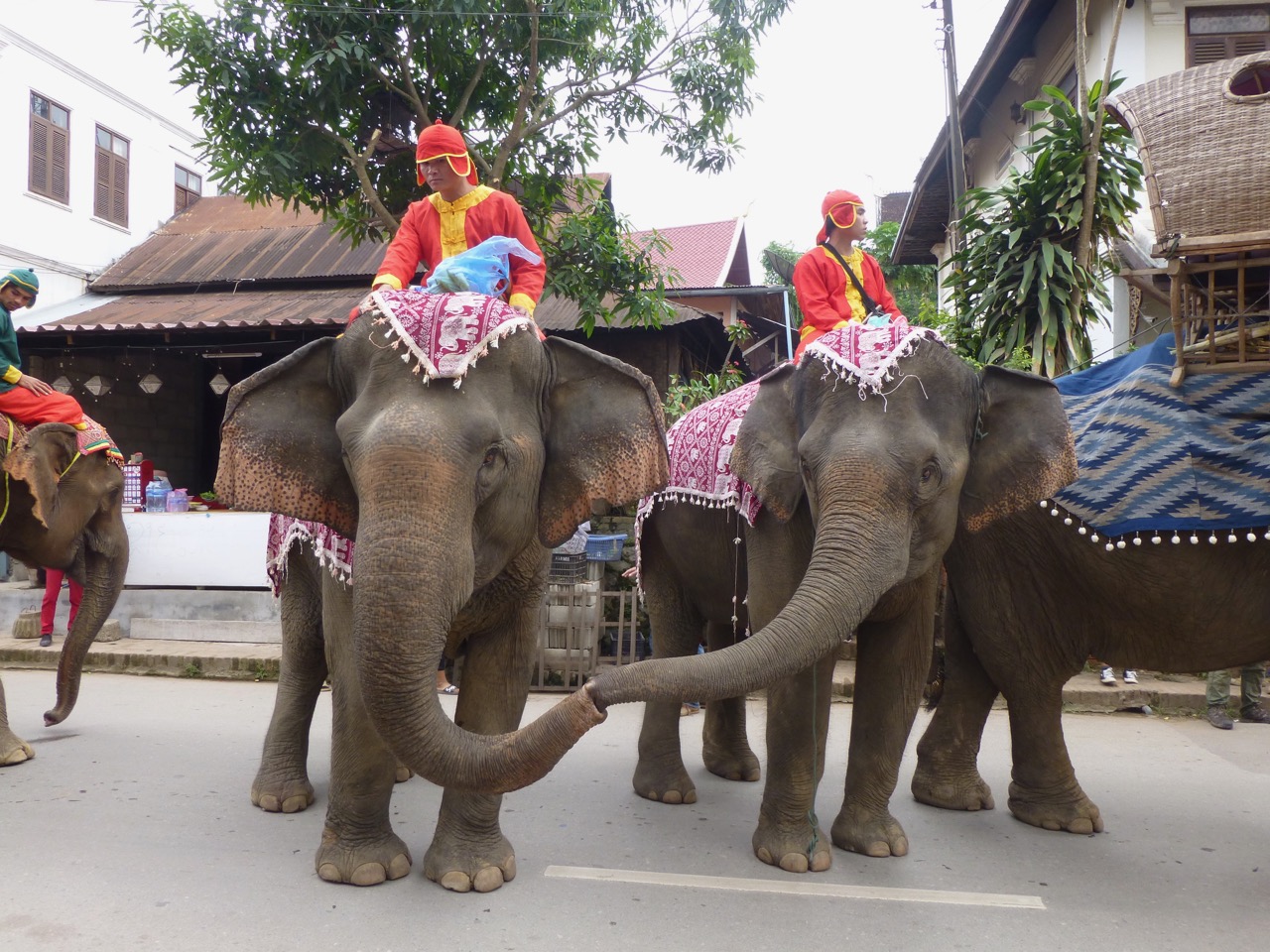
Laos’ Elephants Take to the Road to Save Their Forest Home
An elephant caravan draws attention to the illegal logging that threatens the country’s 900 remaining pachyderms.
TakePart
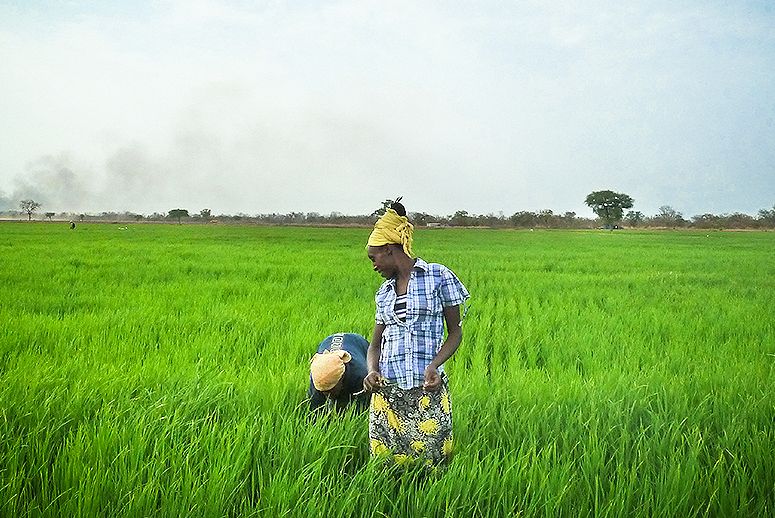
Investors Are Grabbing a Japan-Size Chunk of the Developing World for Food and Water
Activists tracking these deals say rich countries are buying up land—93 million acres—and displacing local people and wildlife.
TakePart
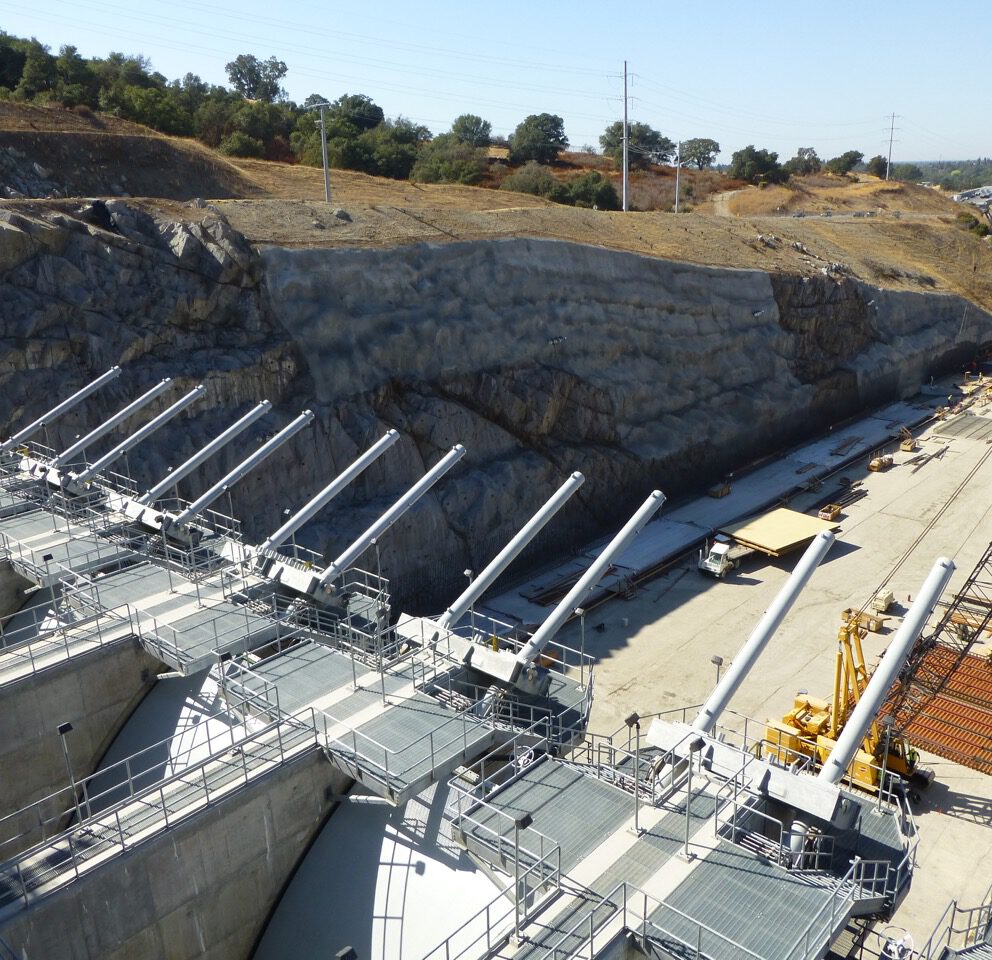
Hacking the Drought
With climate models predicting precipitation extremes in some of the world’s most ecologically and politically sensitive areas, scientists and engineers are coming up with...
TakePart
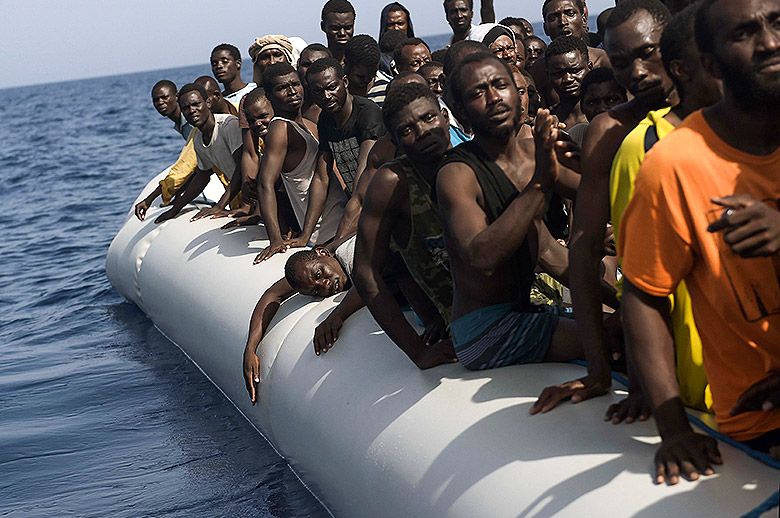
The Climate Trigger Behind Human Tragedies
Earth’s increasingly volatile weather conditions have been linked to numerous global crises, from terrorism to child marriage.
TakePart
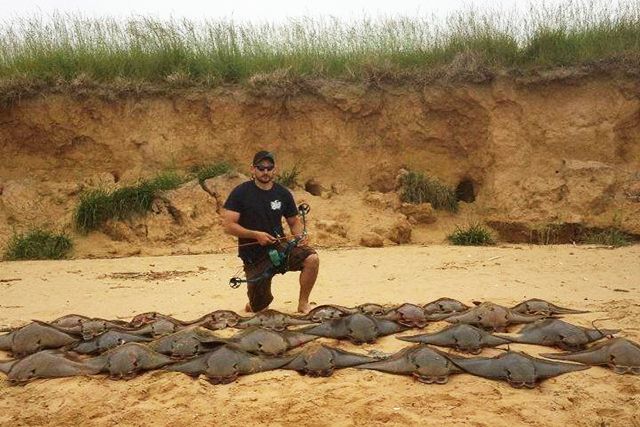
‘Killing Contests’ Target Pregnant Cownose Rays
Scientists fear the hunts will decimate the cownose ray before they can learn of its role in the marine ecosystem.

Hakai magazine
First Nations Test the Political Water with Fish Farm Protests
First Nations’ occupations of fish farms are rooted in a deeper conversation about Indigenous land rights.
TakePart
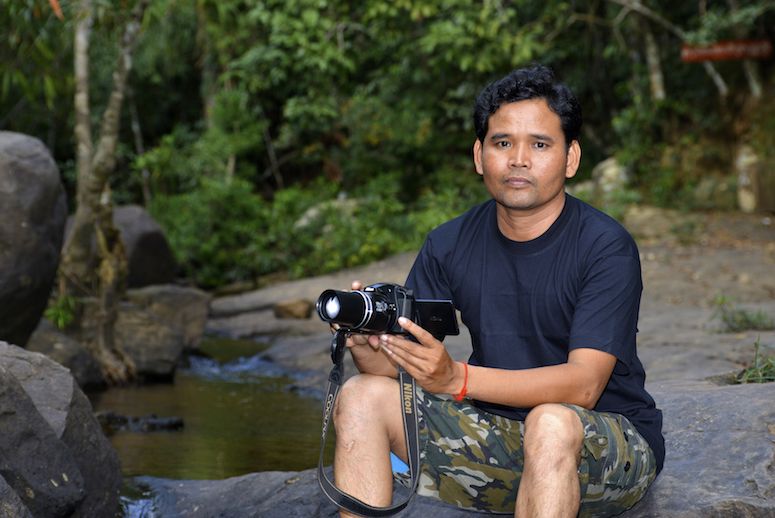
Cambodian Activist Wins Goldman Prize for Exposing Illegal Logging
Leng Ouch has risked his life to go undercover and gather evidence of collusion between timber companies and government officials.
TakePart
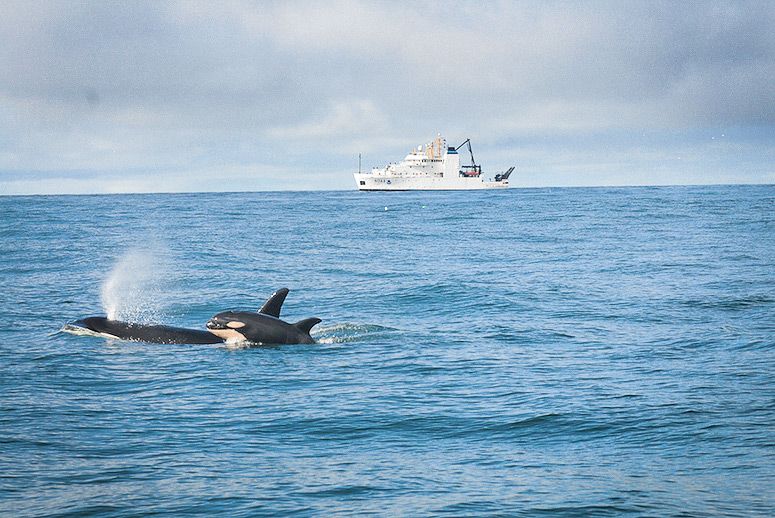
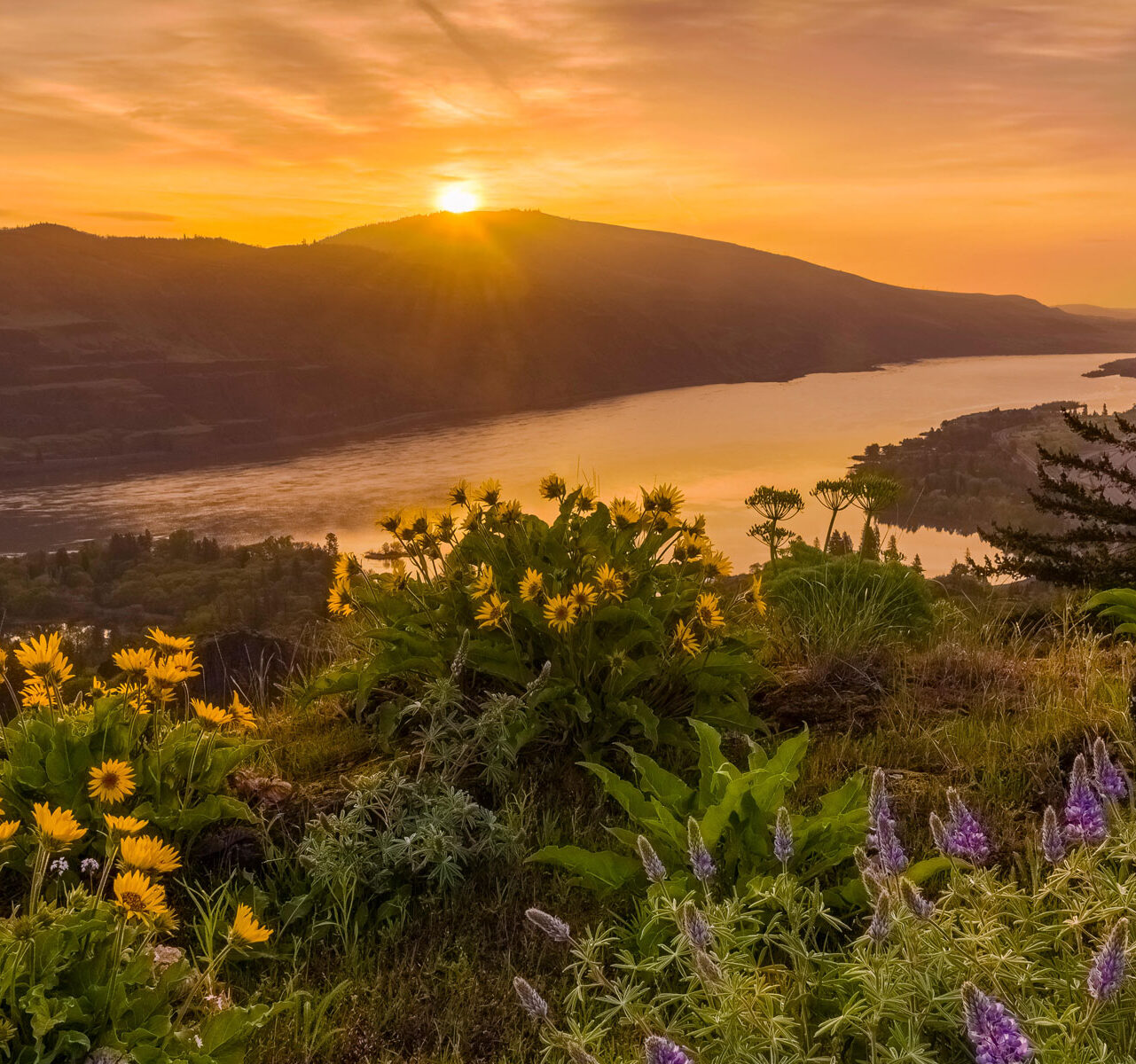
An Earsplitting Threat Is Endangering the World’s Rarest Killer Whales
Noise pollution from ships imperils Southern Resident orcas that depend on sound to communicate and find food and mates.
Hakai magazine
Tribes Use Western and Indigenous Science to Prepare for Climate Change
Northwestern tribes and the University of Washington climate group have joined forces to help protect salmon, roots, trees, and other important resources.
TakePart
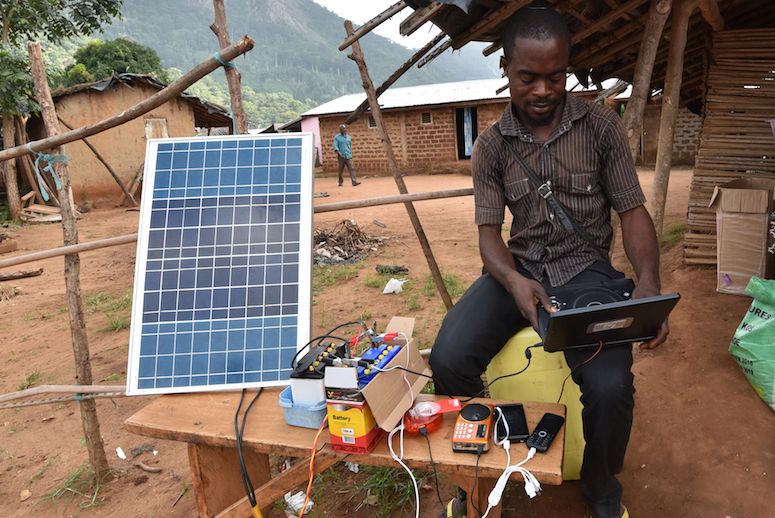
Africa Goes off the Grid to Bring Power to Rural Villages
Half of Africa’s population lacks access to electricity, but microgrids powered by solar energy are lighting the way to energy independence.

Hakai magazine
Designing Marine Protected Areas in a Changing Climate
How can vulnerable marine species be protected when climate change is a reality?
Ensia
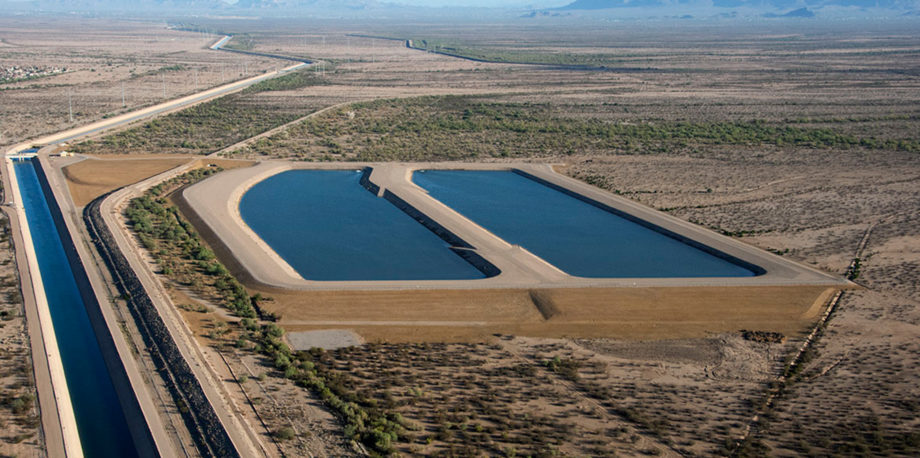
With Floods and Droughts Increasing, Communities Take a New Look at Storing Water Underground
Groundwater recharge is the latest wave in water security – though challenges remain.
Hakai magazine
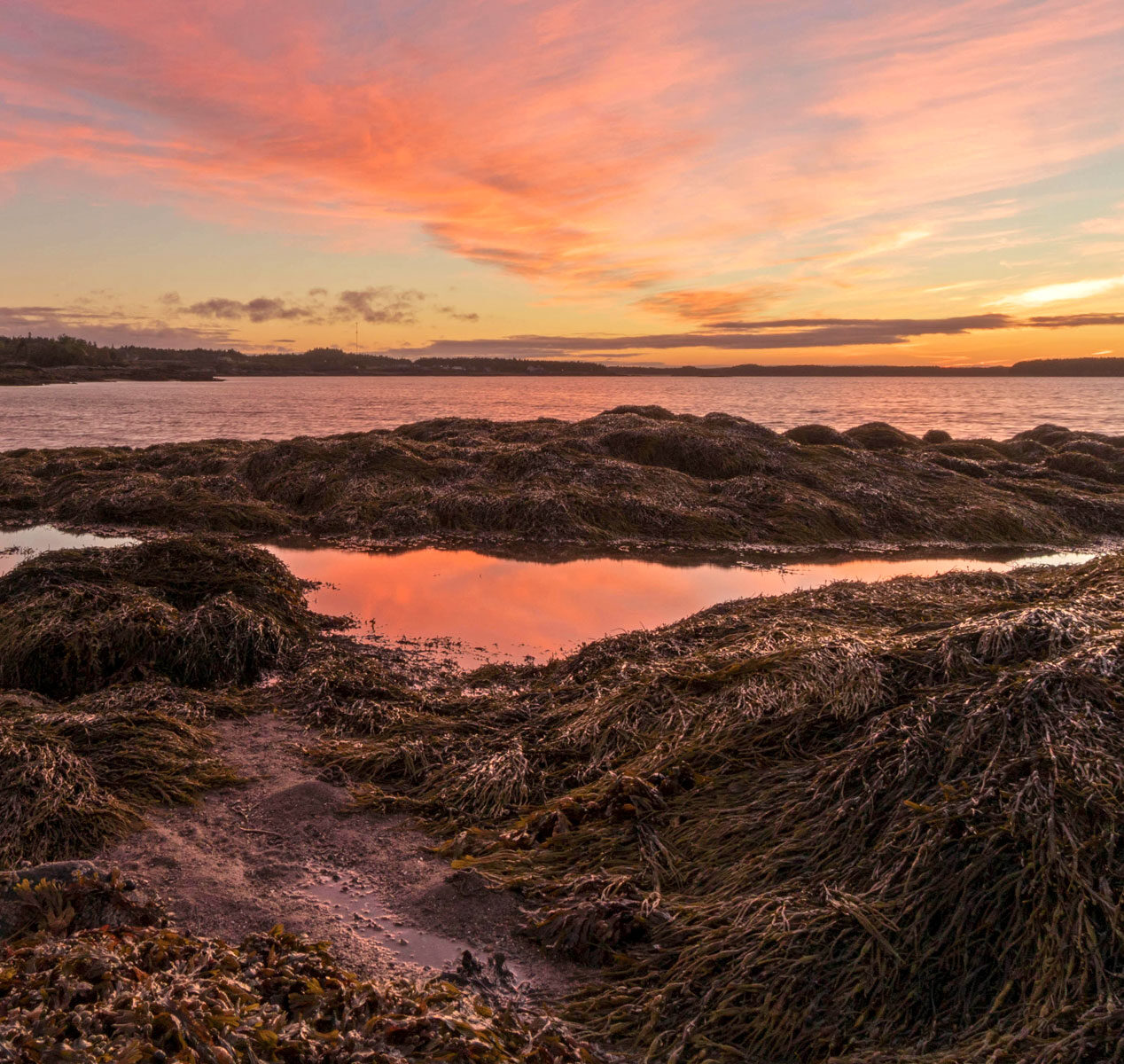
Canada Has New Rules Governing Its Marine Protected Areas. Do They Go Far Enough?
Fisheries and Oceans Canada cites public backlash as one of the motivating factors for changing the rules governing marine protected areas.
Ensia
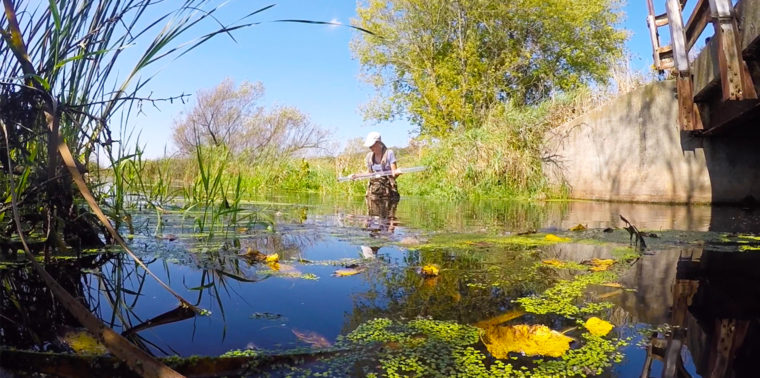
The “One Water” Movement Is Helping the Environment and Saving Millions of Dollars
Solutions to floods, droughts, and pollution that look upstream, downstream and everywhere in between save dollars and make sense.
Hakai magazine
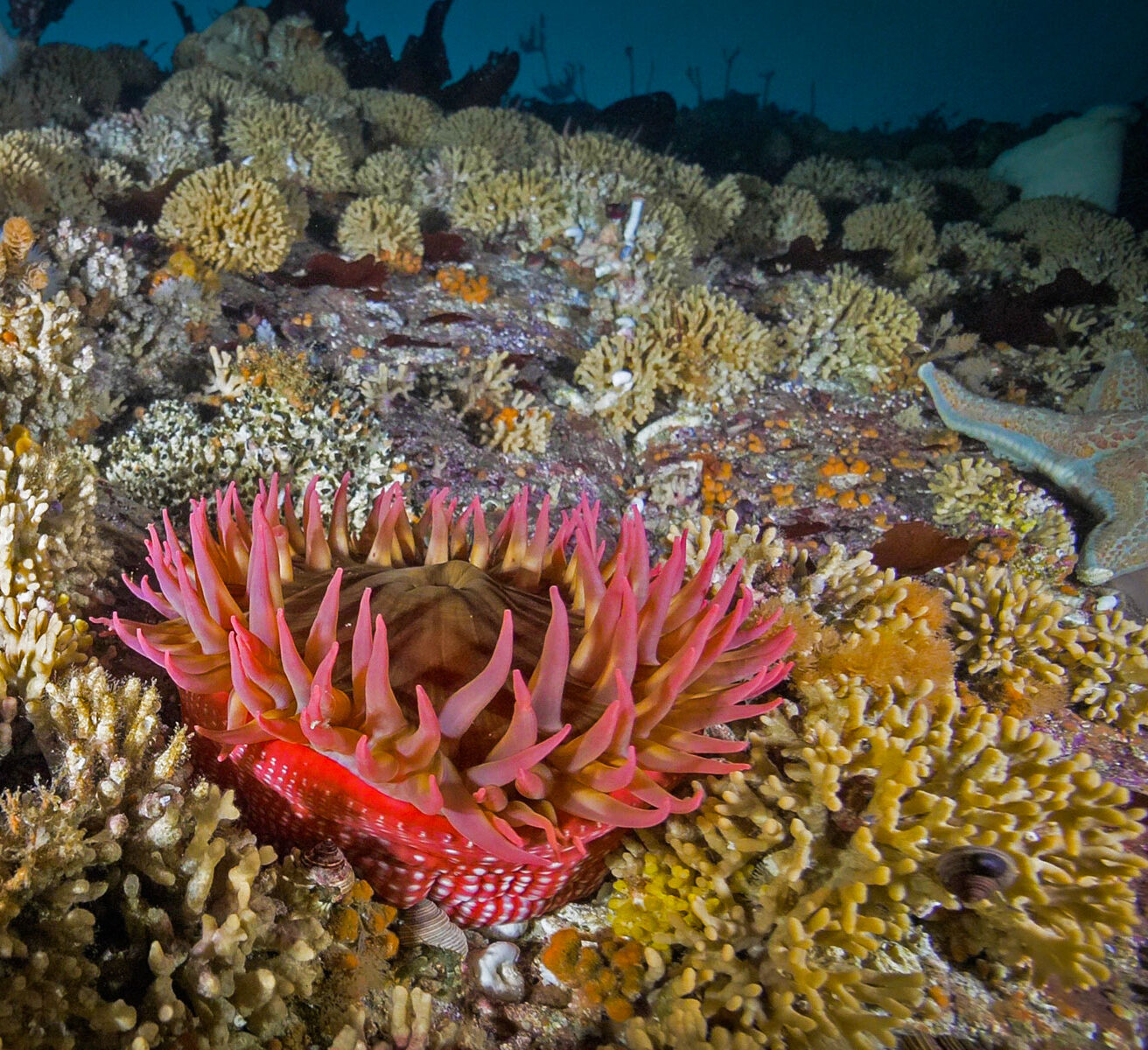
Is Canada Taking Shortcuts to Hit Its Marine Protection Targets?
The government is counting fisheries closures as protected spaces in order to hit a 2020 target. Many scientists argue this is not meaningful conservation.